
Last updated October 16, 2026
 Wrought iron
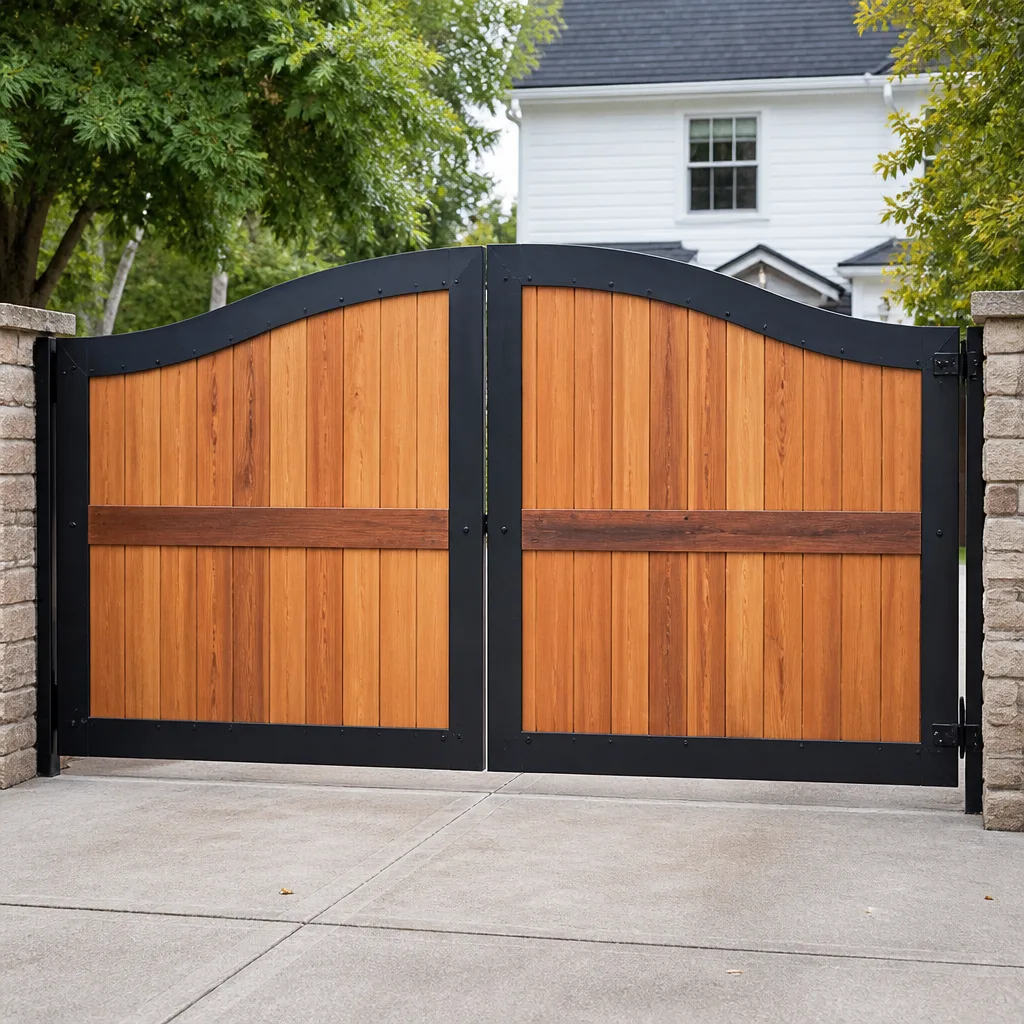 Wood & steel frame
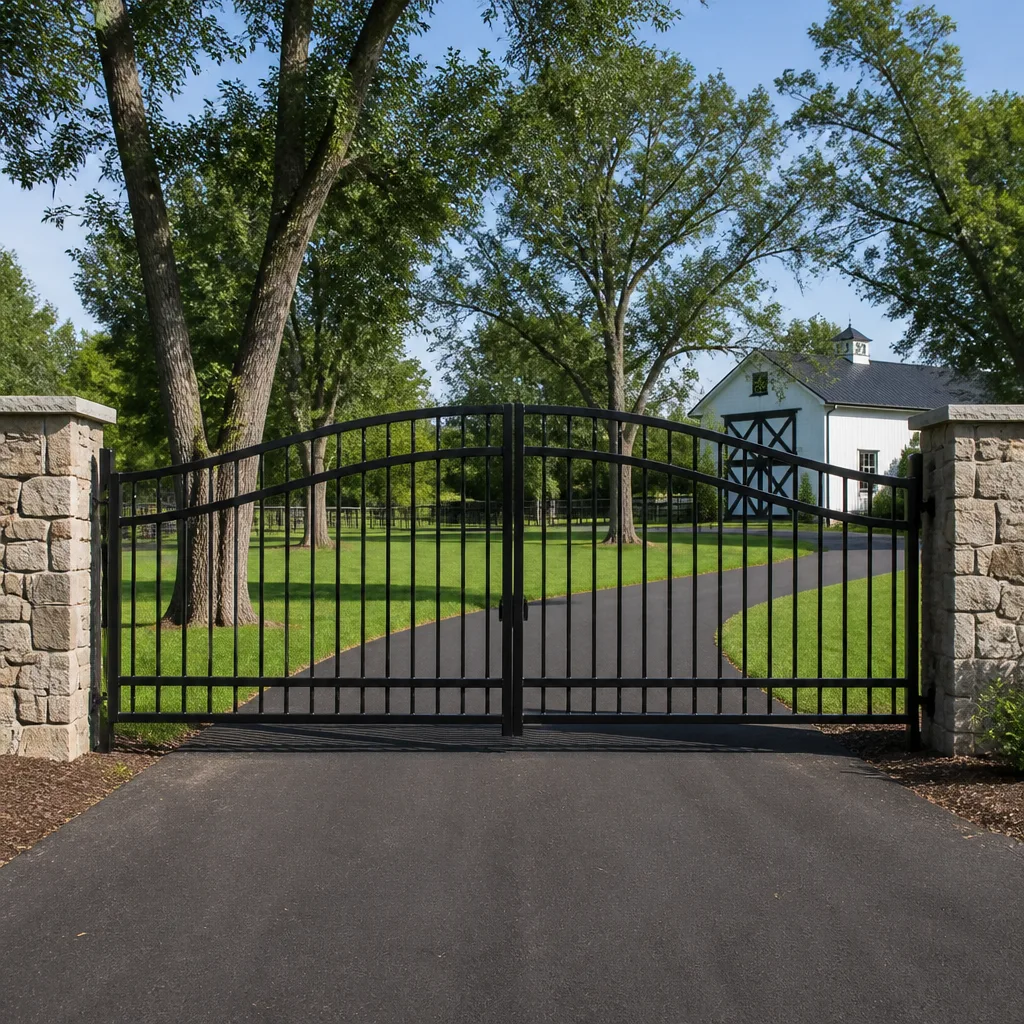 Farm & ranch
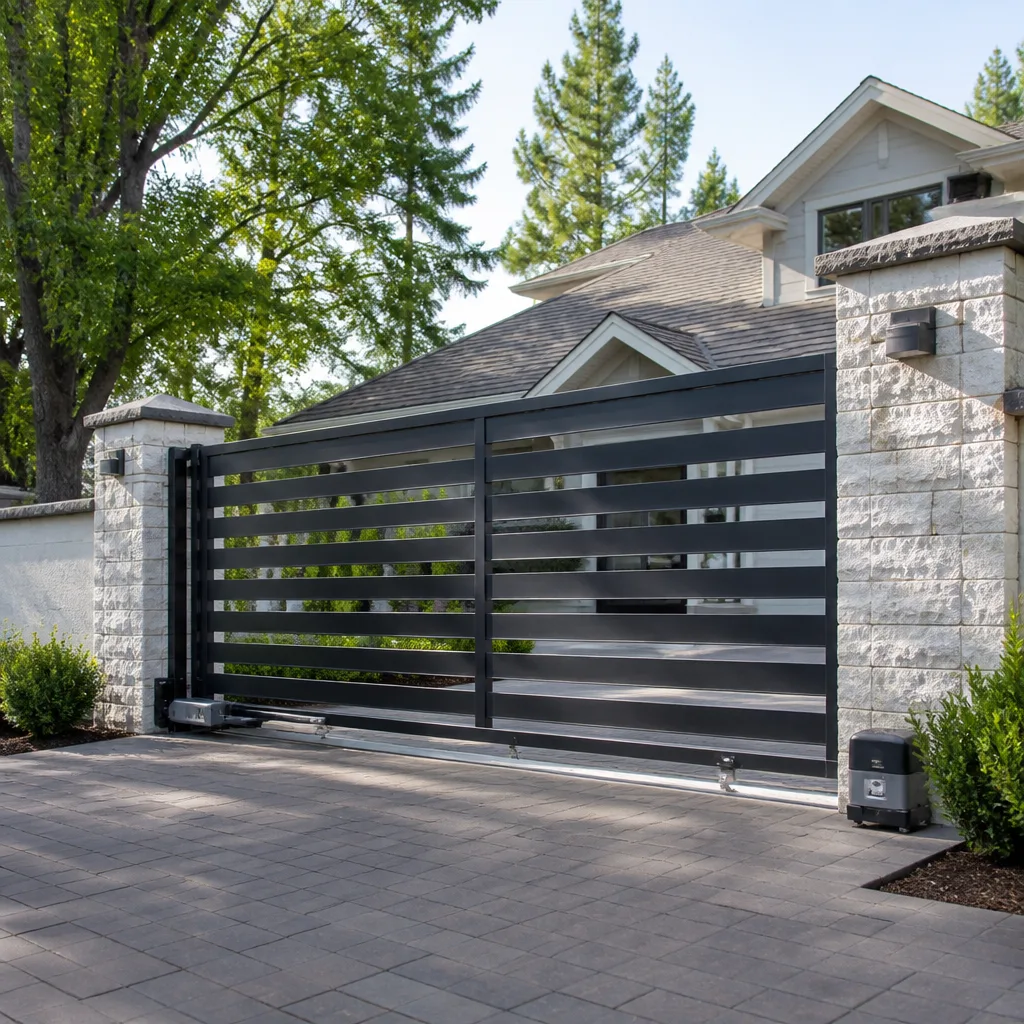 Sliding driveway gates
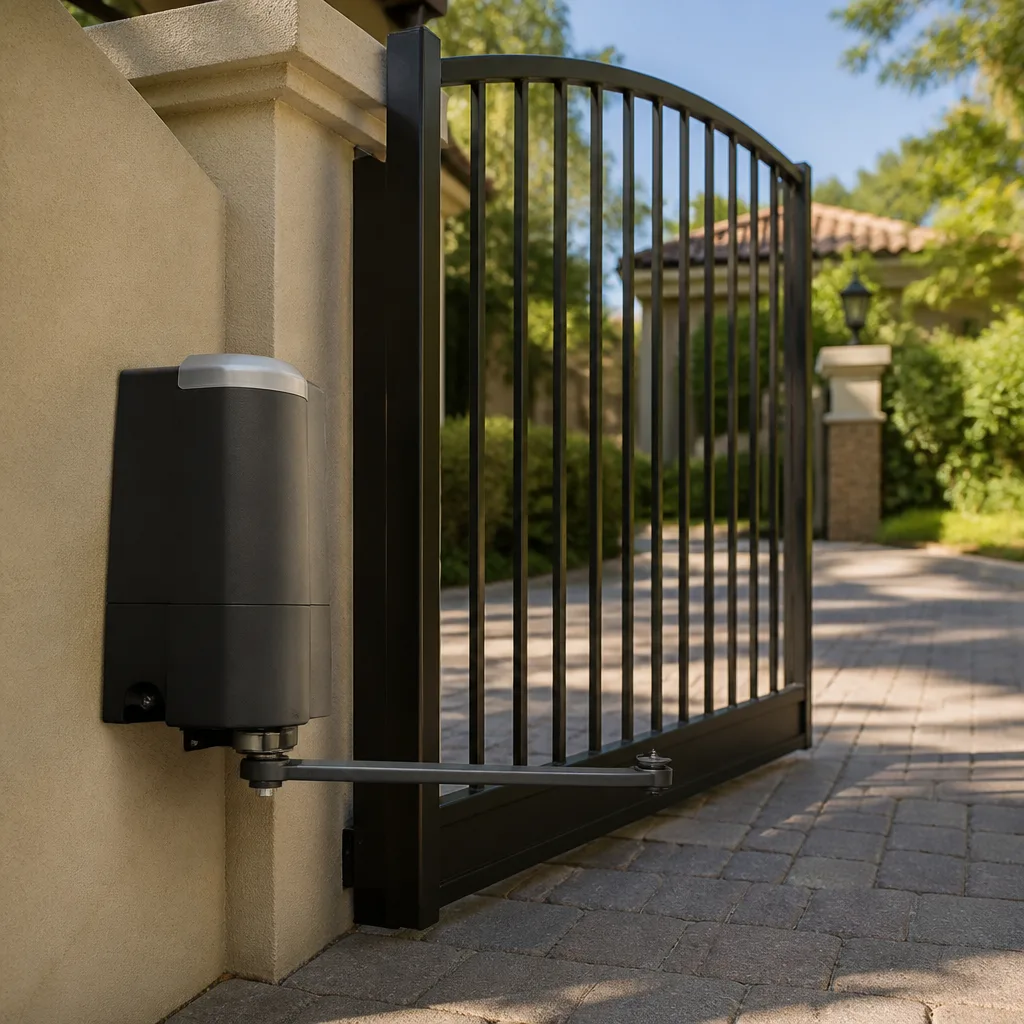 LiftMaster operators
Free on-site gate assessment - hinges, posts, and your LiftMaster or Nice gate operator checked before anything is quoted
The assessment is free and the quote is the invoice.
Get your free estimateSeasonal Gate Repair Care for Tampa: Year-Round Homeowner’s Guide
June through September is when Tampa gate motors fail most often, and the reason is rarely mechanical wear. Standing water in unsealed conduit runs quietly corrodes terminal connections over multiple rainy seasons until the motor simply stops responding one morning. This guide breaks gate maintenance into the two stress cycles Tampa actually has: a wet season that attacks electrical components and a dry season that accelerates metal fatigue and misalignment. You’ll learn what to check before the first storm, what to watch during heavy rain months, and why November through March is the right window for mechanical work. Our Gate Repair services cover gates across Tampa, and the failures we see follow these seasonal patterns with surprising consistency.
Styles & brands we work with
Quick Answer
Seasonal gate care in Tampa means preparing electrical components for the wet season in April and May, monitoring for water intrusion from June through September, assessing corrosion damage in October, and performing mechanical adjustments like post realignment and hinge replacement during the dry months of November through March. A homeowner who follows this two-cycle schedule spends roughly $150 to $400 per year on preventive maintenance instead of $800 to $2,500 on an emergency motor replacement after rainwater reaches the control board.
Table of Contents
- Why Tampa’s Wet Season Is Harder on Gate Electronics Than the Dry Season
- Pre-Rainy Season Prep: The April – May Checklist
- In-Season Monitoring: What to Watch From June Through September
- Post-Rainy Season Assessment: The October Inspection
- Dry Season Tasks: November Through March Mechanical Work
- Cold Snaps and Hydraulic Operators: What Tampa’s Sub-40°F Mornings Do
- What a Homeowner Can Safely Do Versus What Needs a Technician
- Common Mistakes to Avoid
- When to Call a Professional
- Frequently Asked Questions
- The Bottom Line
Why Tampa’s Wet Season Is Harder on Gate Electronics Than the Dry Season
Tampa’s climate loads almost every gate system with two contradictory demands within a single calendar year. From June through September, daily thunderstorms and humidity levels that rarely drop below 70 percent push moisture into every seam, gasket, and conduit joint. From November through March, the same hardware bakes under dry, sunny conditions that shrink seals, crack insulation, and let metal components shift microscopically. A gate that has survived five wet seasons may look fine on the outside while its terminal block has been oxidizing quietly since the second summer.
The electrical damage pattern we see most often in Tampa follows a specific sequence. Rainwater enters through a conduit fitting that was never sealed with duct seal or silicone, follows the low-voltage wire run into the operator housing, and pools in the bottom of the chassis. The motor still runs because the connections are above the waterline, but the terminals begin corroding. Each humid month adds another layer of oxidation. Eventually a surge from a summer thunderstorm or the simple vibration of daily operation breaks the weakened connection, and the operator stops responding. The homeowner calls us and reports that the gate worked fine yesterday but will not open this morning. The failure looked sudden, but it had been building for two or three rainy seasons.
Humidity alone is enough to cause problems even when the gate never sits in standing water. Tampa’s average relative humidity in July runs 75 to 80 percent, and that ambient moisture condenses inside operator housings whenever the temperature drops overnight. Condensation on an unsealed control board causes the same corrosion as direct water exposure, just more slowly. This is why we recommend treating every gate in Tampa as though it will eventually see water, regardless of how well the original installation appears to be sealed.
For homeowners who want a deeper understanding of how these systems are built and repaired, our Gate Repair in Tampa page covers the common failure modes in detail.
Pre-Rainy Season Prep: The April – May Checklist
The single highest-value maintenance window in Tampa is April and May, before the first named storm of the season. The gate has just come through the dry months, seals are at their most shrunken and brittle, and any work done now closes the pathway water will use once the daily thunderstorms begin. This is the time to inspect seals, test drainage, and verify that every electrical connection is dry and tight.
A pre-rainy season inspection should run through these seven items, in this order:
- Inspect every conduit joint and fitting. Look for gaps where conduit enters the operator housing, junction boxes, or the ground. Duct seal, silicone, or an appropriate weatherproof fitting should fill every opening. If you can see daylight through a fitting, water will find it.
- Check the operator housing gasket. Most swing and slide gate operators have a gasket between the cover and the chassis. In Tampa, these gaskets compress and crack after two or three years of heat. Replace any gasket that no longer seats evenly.
- Verify drainage around the gate posts. Water should flow away from post bases, not pool around them. If the area around a post stays wet for more than a few hours after rain, regrade or add a drainage channel before the wet season starts.
- Test the battery backup, if equipped. Many Tampa gates run on operators with battery backup systems so the gate still works during a power outage. The battery should hold a full charge and the operator should switch to battery mode when AC power is disconnected. A battery that cannot hold a charge will fail exactly when the storm knocks out power and the homeowner needs the gate to work.
- Examine the loop detector sensitivity. Loop detectors buried in the driveway signal the operator to open when a car approaches. Wet soil changes the loop’s electrical characteristics. A detector that was borderline in April will false-trigger or fail to trigger once the ground saturates in July. Test it now while the soil is dry.
- Lubricate the chain, hinges, and rollers. Use a lubricant designed for gate hardware, not a general-purpose spray. Wet season humidity will wash away a light lubricant quickly, so apply a product meant to hold up under direct rain exposure.
- Tighten every bolt on the gate frame and post brackets. Dry season shrinkage loosens hardware. A gate with loose bolts that still works in May will bind in July as metal expands in the heat and humidity.
Most of these checks take under an hour for a homeowner who is comfortable around tools. The electrical inspection and the loop detector test are the two items where we recommend having a technician involved, because a false reading sends you into the rainy season with a problem you believe is fixed. Gate Motor Repair in Tampa describes the electrical inspection process in more detail.
In-Season Monitoring: What to Watch From June Through September
Once the daily thunderstorms begin, the goal shifts from prevention to early detection. A wet-season failure rarely announces itself all at once. Weeks before a motor dies, the gate gives off signals: sluggish operation after rain, a controller that resets randomly, a photo eye that intermittently blocks the gate. Homeowners who ignore these symptoms during the summer are the ones who call us in October with a dead operator and a corroded board that needs full replacement instead of a $95 connection repair, as explained in our DIY vs Professional Gate Repair: The Tampa Homeowner’s Decision Guide.
The specific warning signs to monitor during Tampa’s rainy season are:
- Slower operation after rain. A gate that normally opens in 12 seconds but takes 20 seconds the morning after a storm has water somewhere in the system. The moisture increases resistance in the electrical path or adds drag to the mechanical components. The cause needs to be found before the problem becomes permanent.
- Intermittent failure to respond. The remote works, then it does not, then it works again. This pattern often indicates a corroding terminal connection that expands and contracts with humidity changes. The connection will eventually fail permanently.
- Tripped GFCI or breaker after thunderstorms. A ground fault circuit interrupter that trips during heavy rain means moisture is bridging the line to ground somewhere in the system. Reset it once to confirm, but do not keep resetting it. Each trip means water is still present and the problem is getting worse.
- Condensation visible inside the operator cover. If the plastic cover on the operator shows fog or droplets on the inside, the housing is not sealed and the control board is sitting in humid air. This is a direct path to board failure.
- The gate stops mid-cycle and reverses. This is often a safety-edge or photo-eye fault caused by water in the sensor circuit. The gate is trying to protect against an obstruction that is not there, and the underlying cause is electrical, not mechanical.
During the summer months, we recommend homeowners watch the gate after the first heavy rain of each month. Thirty seconds of observation tells you whether the gate is operating at normal speed and whether any warning symptoms have appeared. Catching water intrusion in June means a $150 sealing job. Missing it until September means a $900 control board replacement.
Tampa’s summer storm pattern is also hard on gates because of lightning. A nearby strike does not need to hit the gate directly to damage it; induced voltage traveling through the ground or the power lines can fry a control board even when the operator appears otherwise undamaged. Surge protection installed at the operator’s power source and on the low-voltage control lines is the best defense, and it costs far less than the repairs it prevents.
Post-Rainy Season Assessment: The October Inspection
October is the assessment month in Tampa. The rainy season is winding down, but the air is still humid and the effects of six months of moisture are now visible. This is when we evaluate what the wet season has done to connections, hardware, and the gate’s overall geometry. The October inspection determines how much work the dry season needs to correct.
The post-rainy season assessment focuses on three areas:
Electrical connections. Every terminal, wire nut, and splice point in the operator housing and junction boxes should be opened and visually inspected. In Tampa, connections that looked clean in May often show green or white corrosion by October. Corroded terminals should be cleaned and coated with dielectric grease, or replaced if the corrosion has eaten into the wire. This is also the time to check the surge protection components, since they may have absorbed lightning events over the summer and now need replacement.
Hardware condition. Hinges, bolts, brackets, and the gate’s powder coat all take damage from six months of rain and humidity. Look for surface rust on any exposed steel, especially where the powder coat has chipped or worn through. Surface rust in October is manageable with sanding and touch-up paint. The same rust left untreated through the dry season will become pitting and structural weakening by the following spring.
Gate position and travel. The saturated ground of summer shifts posts and settles the soil around post foundations, and the gate may now be out of alignment. A gate that drags on the ground, binds against the post, or no longer lines up with the lock or the safety devices needs adjustment. If the post has moved significantly, the correction may involve realigning the post itself, not just the gate panel.
The October assessment is also the right time to pull the records and verify that the previous April’s work actually held up. If a seal was replaced in May and the housing is dry in October, the maintenance plan is working. If the same fitting leaked again, the problem is deeper and needs a different approach, usually a conduit reroute or a better drainage solution rather than another bead of silicone.
Dry Season Tasks: November Through March Mechanical Work
From November through March, Tampa’s weather shifts to its dry pattern. Rain is infrequent, humidity drops, and the ground firms up. This is the correct window for any mechanical adjustment, post realignment, or hinge replacement the gate needs, because the components you set in the dry season will stay roughly where you put them until the ground saturates again in the summer. Doing the same work in July means fighting expanding metal and ground that shifts under the posts every time it rains.
The dry season work list, ordered by priority:
- Post realignment. If the October assessment found a shifted post, November is the month to correct it. Dig out around the post, reset it plumb, and re-pour the footing. The dry ground makes it possible to dig and set concrete that will cure properly before the wet season arrives.
- Hinge and roller replacement. Hinges wear unevenly in Tampa because the gate carries more weight on the latch side and because grit from summer storms works into the moving surfaces. Replace worn hinges and rollers now, when the hardware is dry and the gate can be adjusted precisely.
- Gate panel adjustment. Metal expands and contracts with temperature, and the wider temperature swings of the dry season reveal alignment problems that were hidden during the humid months. Adjust the gate panel until it travels smoothly through its entire arc without binding.
- Chain tension and drive belt checks. Chain-driven slide gates need proper tension to operate without jumping the sprocket or wearing the motor. Chains stretch over time, and the dry season is the right time to reset tension, because the cooler temperatures make the metal contract slightly and the measurement is more predictable.
- Pivot and track maintenance for slide gates. Slide gates run on a track or on cantilever rollers. Clean accumulated grit out of the track, check rollers for flattening, and verify the gate travels without dragging. Tampa’s summer storms wash sand and debris into tracks, and by November the accumulation is often significant.
- Sensor alignment and testing. Photo eyes and safety edges drift out of alignment over the course of a year. The dry season’s stable conditions let a technician align the sensors precisely and verify that the gate reverses properly when an obstruction is present.
The mechanical work done in the dry season is what keeps the gate from tearing itself apart during the wet season. A gate that is aligned, lubricated, and properly tensioned in March will run cooler and with less strain through the summer, which reduces the load on the motor and the electrical system.
Cold Snaps and Hydraulic Operators: What Tampa’s Sub-40°F Mornings Do
Tampa occasionally drops below 40°F on winter mornings, and those cold snaps affect gate operators in ways most homeowners do not expect. Hydraulic operators, which use fluid pressure to move the gate, are the most sensitive to temperature. When the temperature drops, hydraulic fluid thickens. The operator must work harder to push the same volume of fluid through the system, which increases the load on the motor and can trip the thermal overload protection. A hydraulic gate that works fine at 70°F may stall or refuse to move when the morning temperature hits 35°F.
The morning after one of these cold snaps, we hear from Tampa homeowners whose gates will not open or move very slowly. Usually the problem is not a failed operator but the combination of cold-thickened fluid and a battery that has lost capacity in the cold. Once the temperature warms up, the gate returns to normal. If it does not, the cold may have exposed a weakness that was already present: a hydraulic line that was about to fail, a motor with worn brushes, or a battery that was already marginal.
For homeowners with hydraulic operators, the practical steps are straightforward. Allow the operator to warm up for a few minutes before running a full cycle on very cold mornings, if the gate is reluctant to move. Check the hydraulic fluid level and condition during the October or November service visit, since old or contaminated fluid thickens more readily. And if the gate fails to operate on a cold morning and does not recover as the day warms, have the operator inspected before the problem becomes permanent.
For gates with Linear, Ghost Controls, or Viking operators, which are commonly installed on Tampa residential properties, the cold-snap concern is less about hydraulic fluid and more about battery performance and control board sensitivity to temperature swings. These electromechanical systems generally handle Tampa’s brief cold spells without long-term damage, but we recommend keeping the operator housing sealed and the battery tested so that cold mornings do not become the day the gate finally fails.
What a Homeowner Can Safely Do Versus What Needs a Technician
Some seasonal maintenance is appropriate for a homeowner who is comfortable with basic tools, though our The Complete Guide to Gate Repair in Tampa explains when to call a professional. Other tasks involve enough electrical or structural risk that a trained technician is the right call. The dividing line is simple: if the work involves opening the operator housing and touching the control board or the line-voltage wiring, hire a professional. The line voltage that powers a gate operator can injure or kill, and a mistake on the control board can destroy the board entirely. Gate operators also carry the weight of a heavy moving panel, and a spring or counterweight under tension can release with enough force to cause serious injury.
Safe for most homeowners:
- Visual inspection of conduit fittings and seals
- Cleaning debris and grit from slide gate tracks
- Lubricating hinges, rollers, and chains
- Tightening accessible bolts on the gate frame
- Checking that the area around posts drains properly
- Watching the gate cycle after a storm and noting any changes
Leave to a technician:
- Opening the operator housing and inspecting the control board
- Testing or replacing battery backup systems
- Adjusting loop detector settings
- Resetting or realigning gate posts
- Replacing hinges or rollers on a heavy gate
- Any work involving line voltage or wiring connections
The technician tasks listed above are the ones that prevent the expensive failures. A homeowner who handles the visual checks and lubrication but has a professional perform the electrical inspection twice a year gets most of the benefit of seasonal maintenance without taking on the risk. For homeowners in Tampa who want a full seasonal inspection done by someone who works on gates every day, Carver Gate Repair Tampa home is the starting point for scheduling.
Common Mistakes to Avoid
- Skipping the April inspection because the gate “works fine.” A gate that works fine in April is the one that fails in August. The whole point of pre-rainy season prep is to catch the problems that have not yet caused a failure.
- Waiting for the gate to stop working before calling anyone. By the time a Tampa gate stops responding, the underlying problem has usually been developing for months and the repair cost is three to five times higher than an early intervention would have been.
- Using household silicone on electrical fittings. Household silicone releases acetic acid as it cures, and that acid promotes corrosion on electrical connections. Use a product designed for electrical work, or let a technician handle the sealing.
- Ignoring a tripped GFCI and just resetting it. A GFCI that trips during rain means water is causing a ground fault. Resetting it without finding the water means the problem continues to worsen, and eventually the board fails outright.
- Doing the October assessment but skipping the dry season follow-up repairs. The October inspection only has value if the findings lead to action. A shifted post identified in October but not reset until the following June means another season of misalignment and the associated strain on the operator.
- Lubricating without cleaning first. Spraying fresh lubricant over a layer of grit and sand creates an abrasive paste that wears hinges and rollers faster than no lubrication at all. Clean the component first, then lubricate.
- Assuming the gate installed in the last two years does not need seasonal care. New gates fail in Tampa too, often because the original installation did not seal the conduit properly or the post concrete was not fully cured before the gate was hung. Seasonal checks catch these installation defects before they become warranty disputes.
When to Call a Professional
Call a gate technician when the gate shows any of the wet-season warning signs already covered: sluggish operation after rain, intermittent failure, condensation inside the operator housing, or repeated GFCI trips. Call before the next storm season if the gate has not been inspected in two or more years, if the posts show visible shifting, or if the gate has had a previous motor or board replacement that was never followed with a sealing review. A gate motor that has been replaced once is telling you something about the installation or the environment, and a professional eye on the underlying cause beats replacing the motor again. Gate Installation in Tampa covers what a properly installed and sealed system should look like, and it is worth comparing your gate against that standard. Carver Gate Repair Tampa offers free estimates in Tampa, with a written price delivered before any work starts. Call (850) 533-8293 to schedule a seasonal inspection, and a background-checked, uniformed technician will assess the gate, provide the written price, and complete the work to The Garrison Standard with a full-year written guarantee on every repair.
Frequently Asked Questions
A seasonal gate inspection in Tampa typically costs $95 to $250 depending on the size of the gate, the number of operators, and whether any minor adjustments are completed during the visit. The exact quote is provided in writing before any work begins, and the price does not change once the job is underway.
Schedule gate service twice a year: once in April or May before the rainy season starts, and once in October after the rainy season has ended. The spring visit prevents water-related electrical failures, and the fall visit assesses the damage from the summer and plans the dry season mechanical work.
A battery backup is a good investment for any Tampa gate, because thunderstorms and summer outages are common and the gate should still operate when the power goes out. Battery backups need testing twice a year; a battery that cannot hold a charge will fail during the first extended outage.
Homeowners can safely handle visual inspections, cleaning, lubrication, and checking that drainage around the posts is working. Work that involves opening the operator housing, touching the control board or line voltage, adjusting loop detectors, or moving heavy gate panels should be left to a trained technician. If you need professional help near Tampa, Gate Motor Repair in Tampa is available for scheduled service and emergencies.
A well-maintained gate motor in Tampa lasts 10 to 15 years on average, but motors installed without proper sealing or surge protection commonly fail within 3 to 5 years. The difference comes down to how much moisture and electrical surge the motor has been exposed to over its life.
This pattern usually means water is entering the system somewhere and causing an intermittent electrical fault, often at a corroding terminal or an unsealed photo-eye connection. The gate works when the connection is dry and fails when moisture completes a short or increases resistance. The water intrusion point needs to be found and sealed before the intermittent failure becomes permanent.
The Bottom Line
Tampa gate care is not a year-round uniform task. It is two distinct cycles: a wet season running from June through September that attacks electrical components through water intrusion and humidity, and a dry season from November through March that is the correct window for mechanical work like post realignment and hinge replacement. The two critical service months are April, when the gate should be sealed and tested before the first storm, and October, when the summer’s damage should be assessed and a repair plan built. A homeowner who follows this schedule twice a year, handles the simple visual checks, and brings in a technician for the electrical and structural work will avoid most of the expensive failures we see across Tampa. The alternative is paying for emergency repairs that were predictable six months earlier. Carver Gate Repair Tampa works to The Garrison Standard on every call: a written price before any work starts, background-checked and uniformed technicians, and a 365-day written guarantee on every repair. Call (850) 533-8293 to schedule a seasonal inspection or discuss any gate concern with a live person, 24 hours a day, seven days a week.
Written by Lonnie Burke, Owner at Carver Gate Repair Tampa, serving Tampa since 2008. For more guides & resources, visit our blog.
See the difference
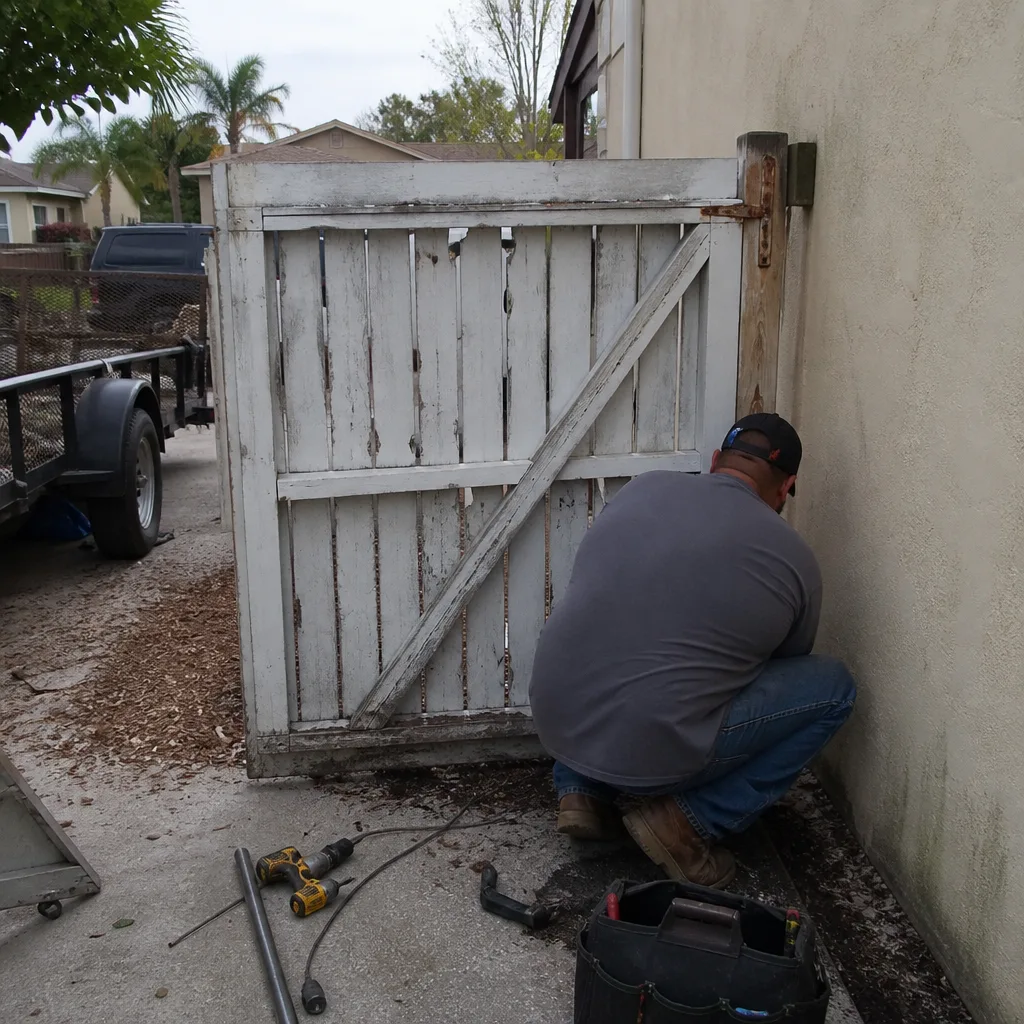 Before
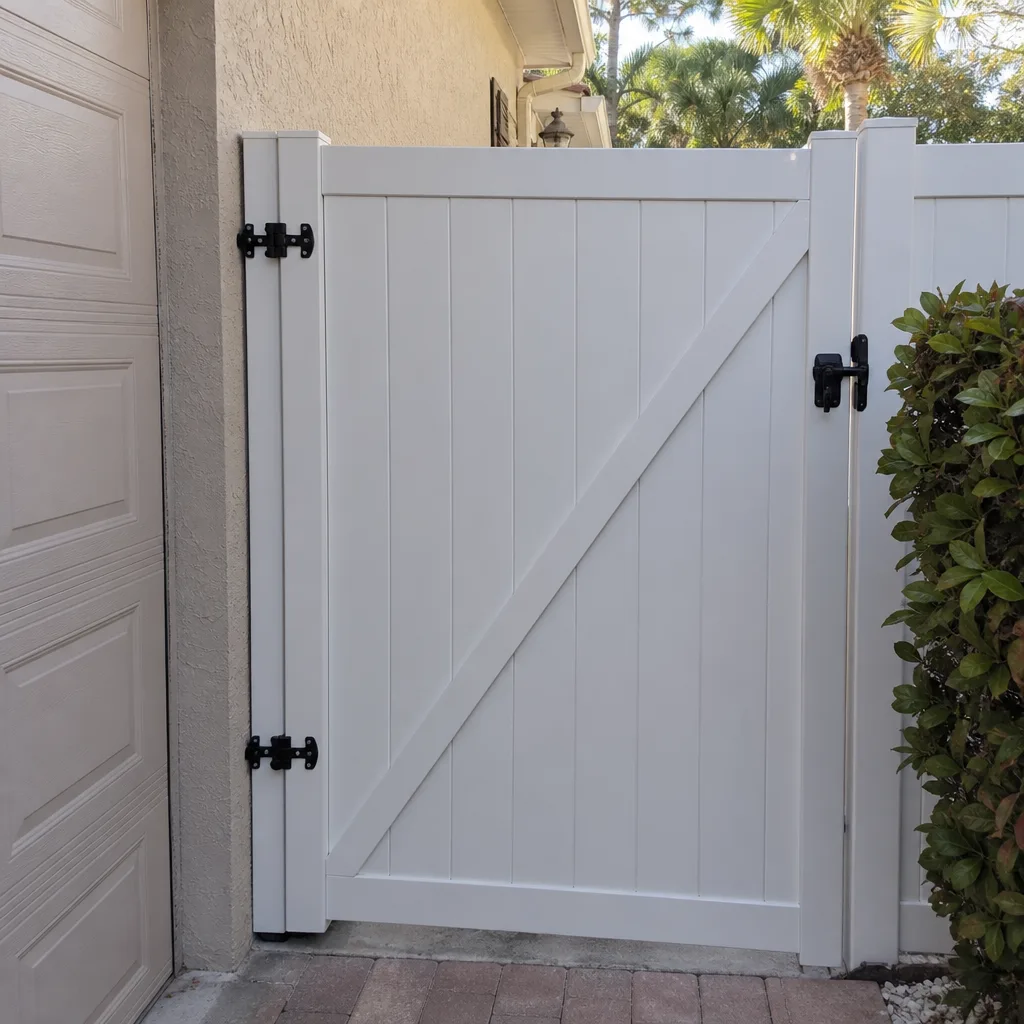 After
After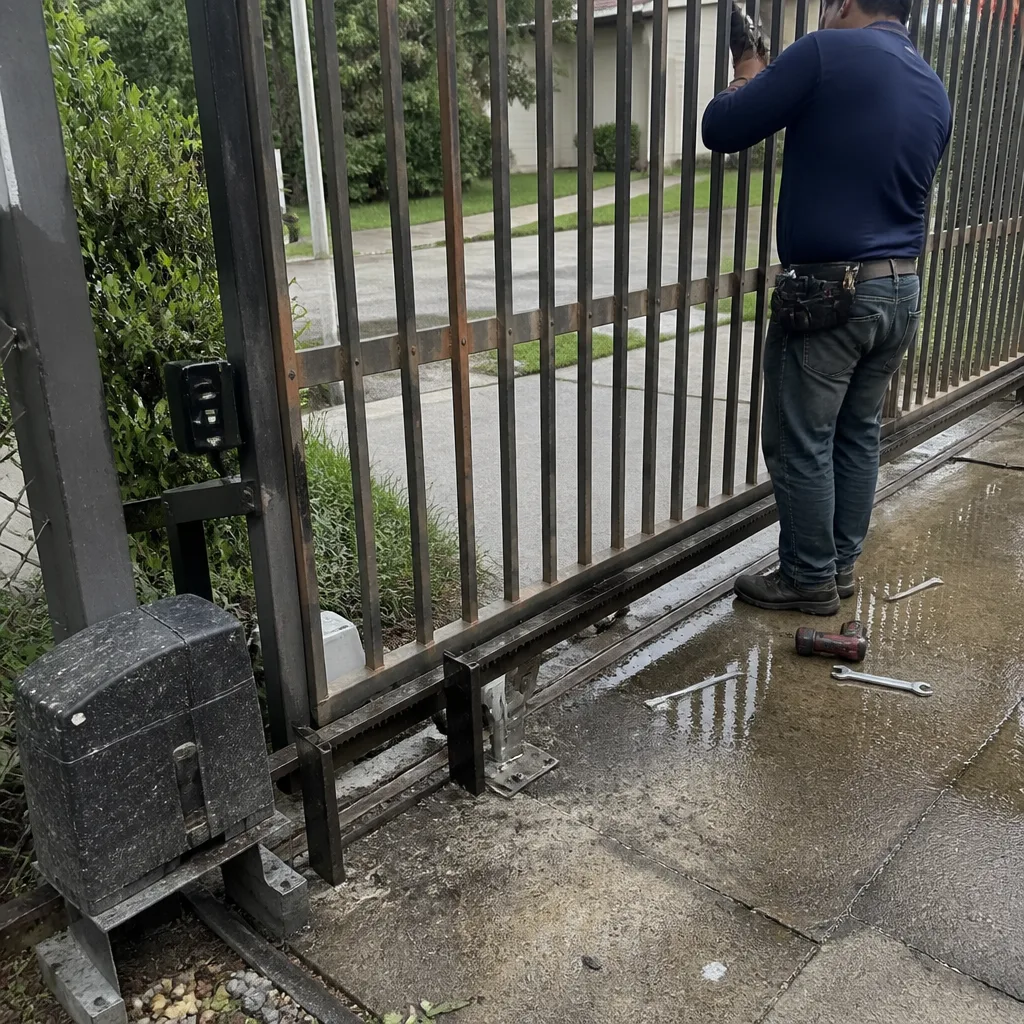 Before
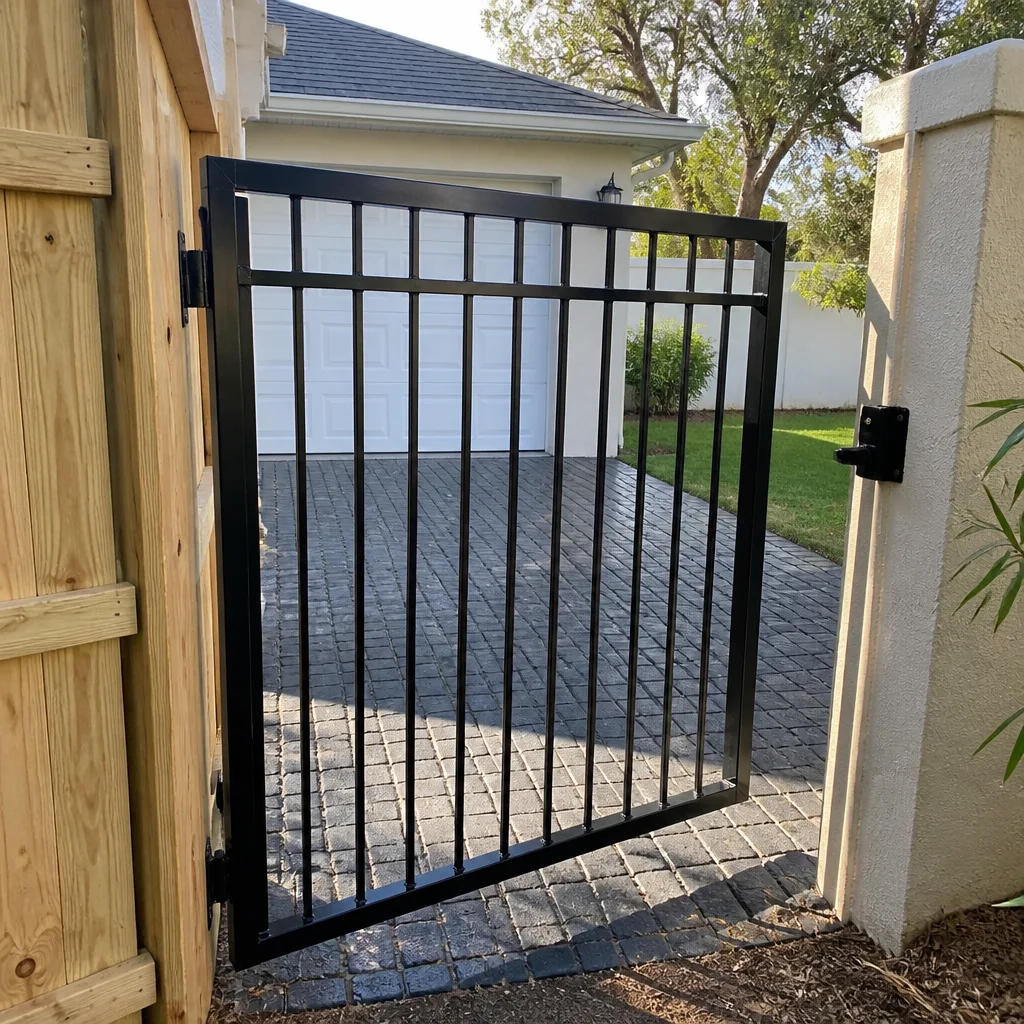 After
After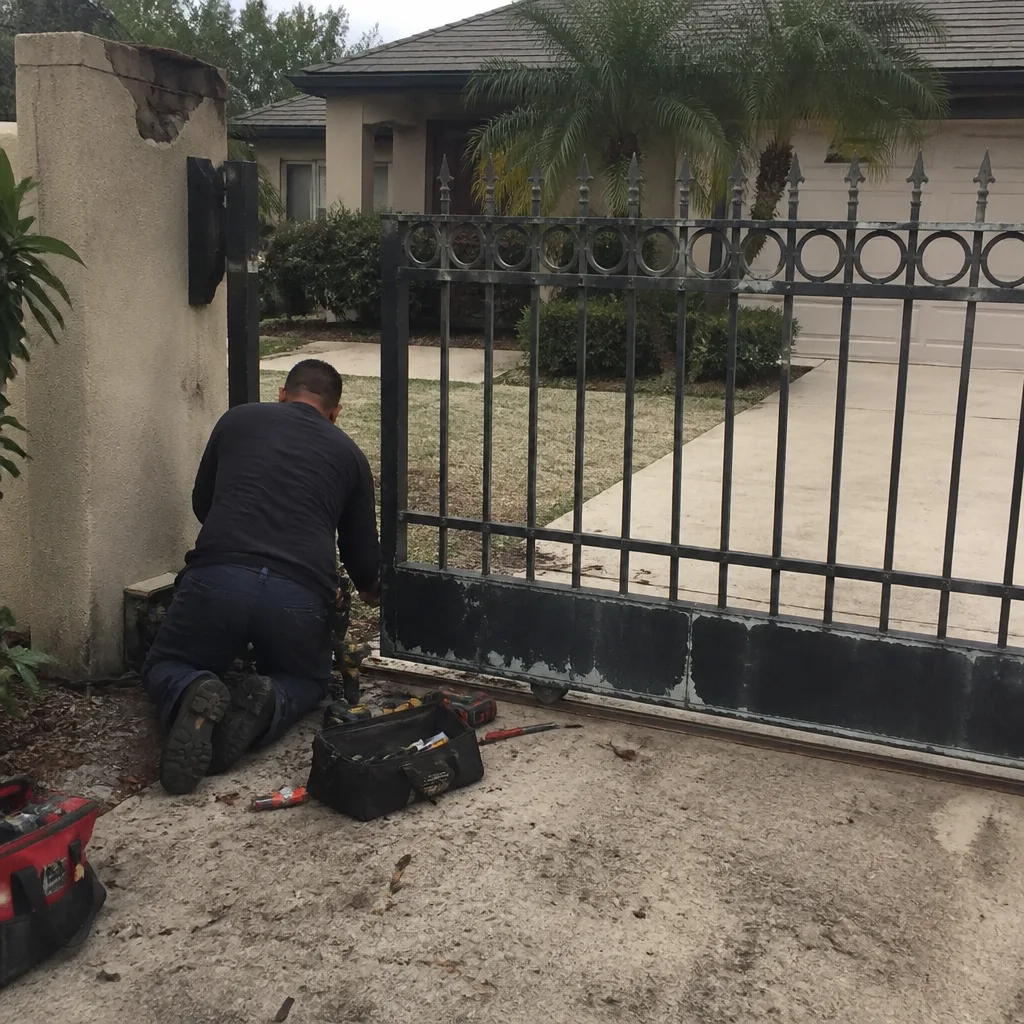 Before
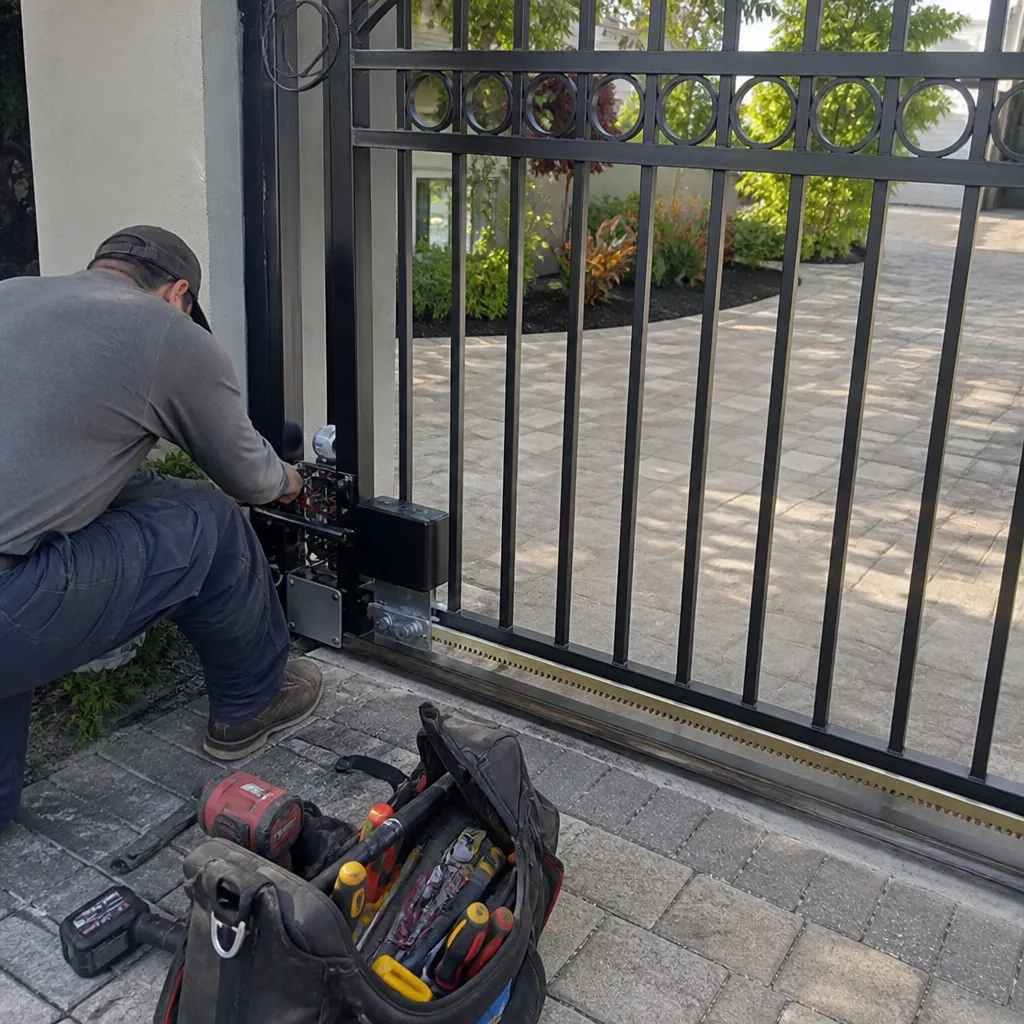 After
After