
Last updated October 16, 2026
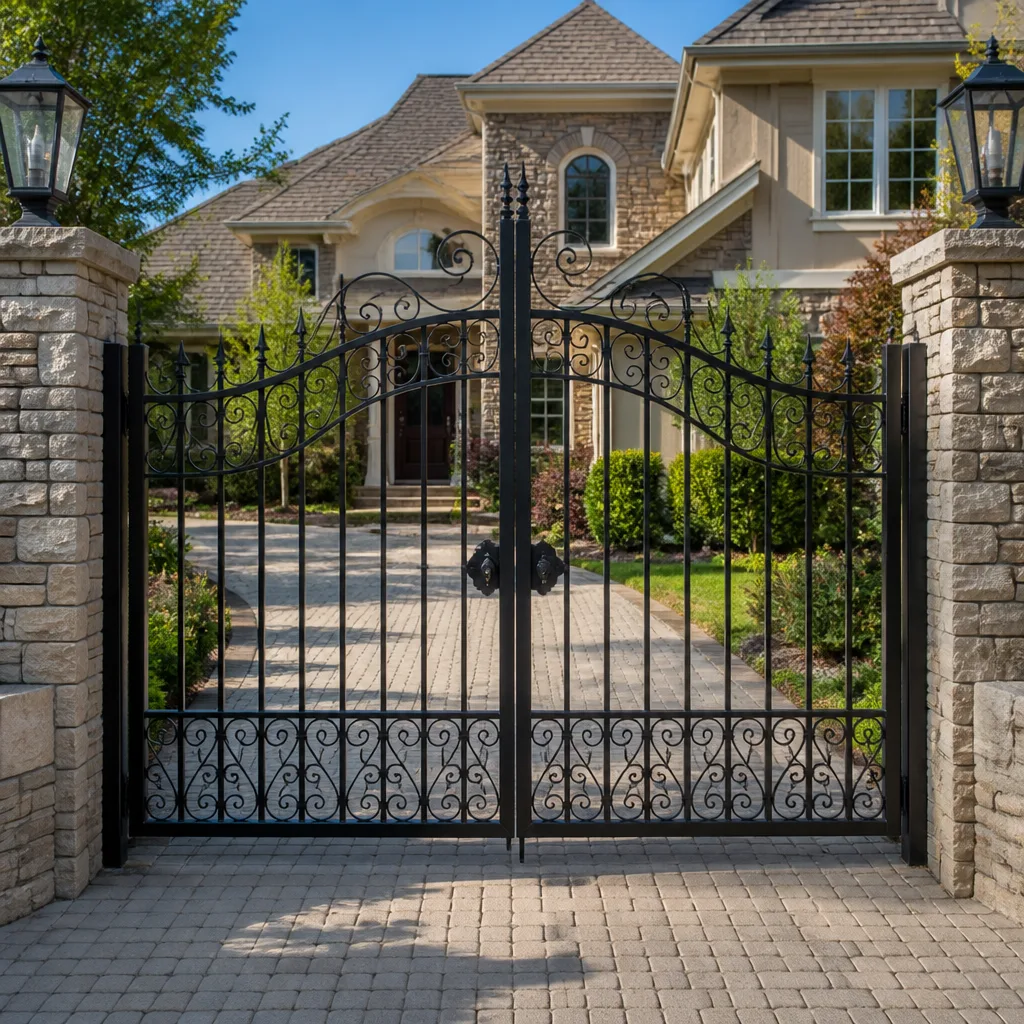 Wrought iron
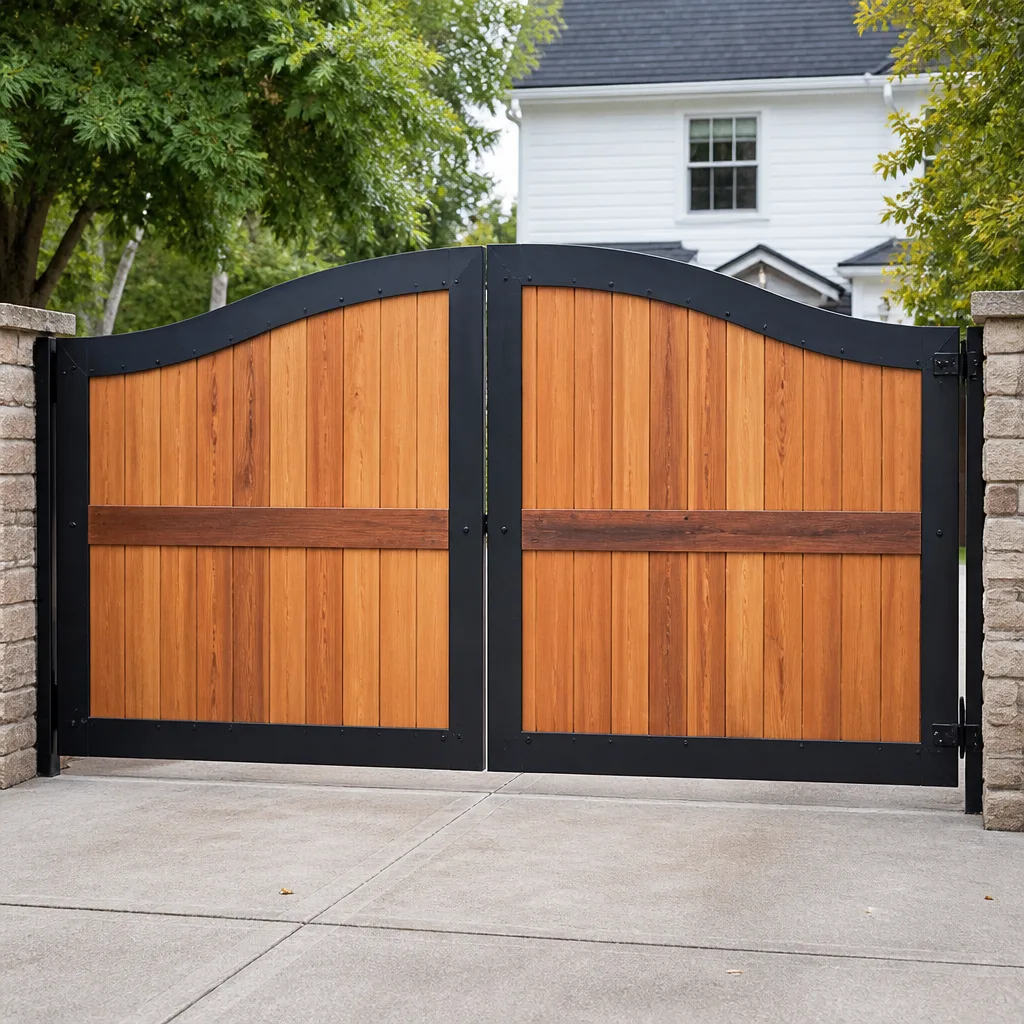 Wood & steel frame
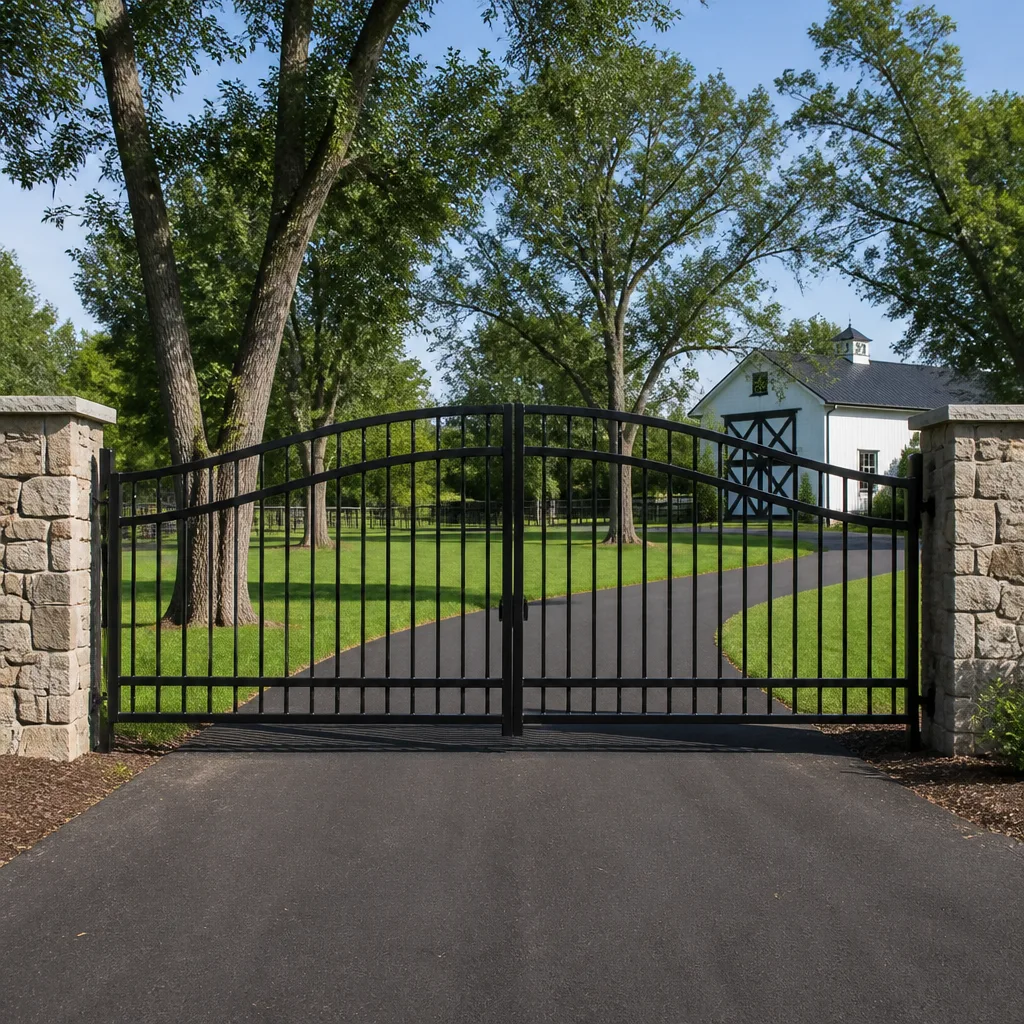 Farm & ranch
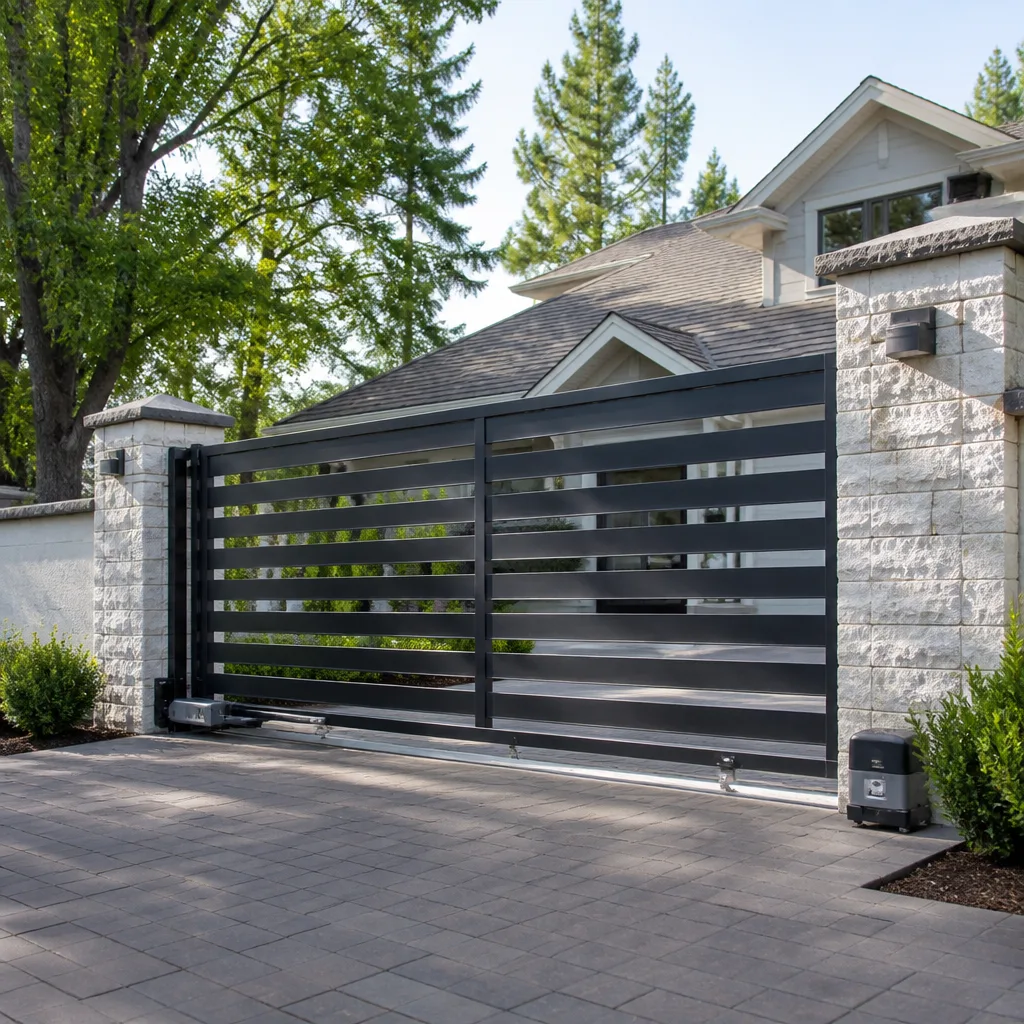 Sliding driveway gates
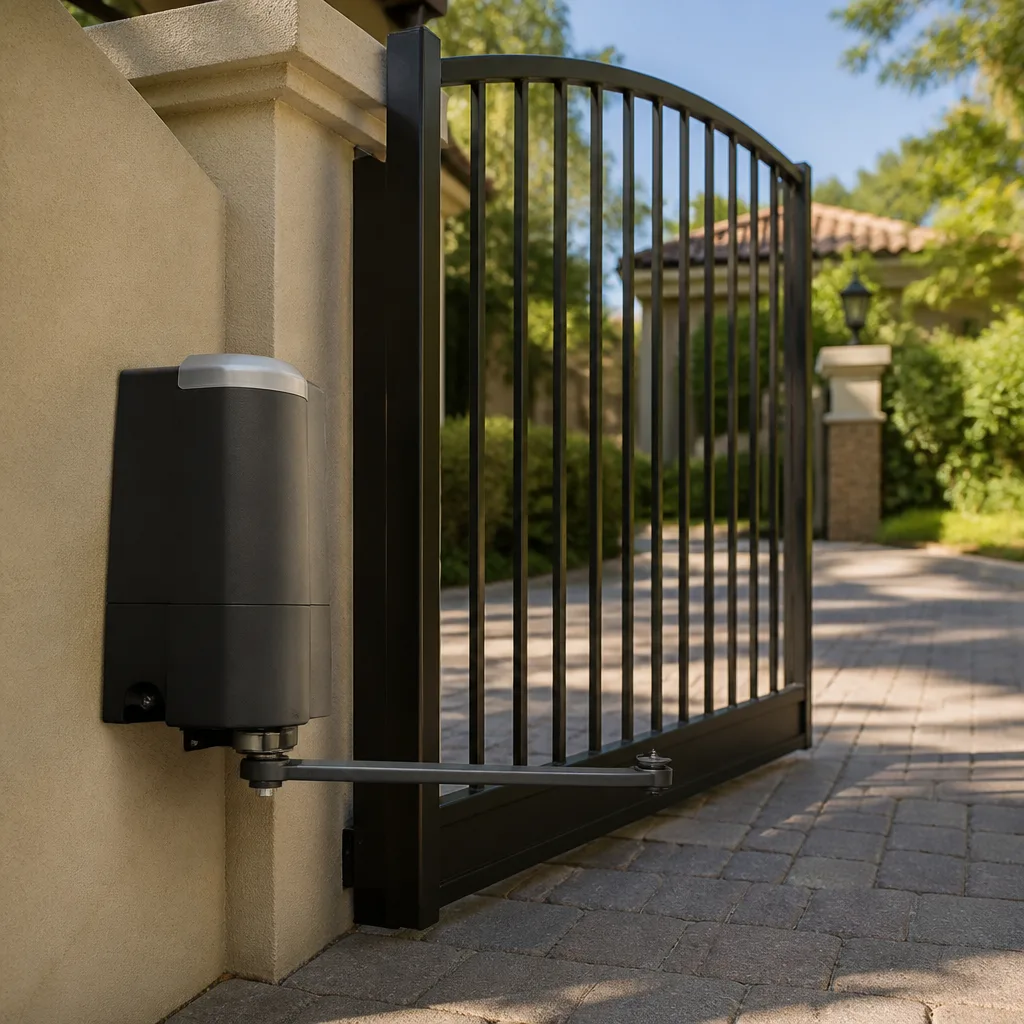 LiftMaster operators
Free on-site gate assessment - hinges, posts, and your LiftMaster or Nice gate operator checked before anything is quoted
The assessment is free and the quote is the invoice.
Get your free estimateThe Complete Guide to Gate Repair in Tampa
The same wrought-iron gate that lasts 20 years in Phoenix can show hinge failure in under five in Tampa. It’s not build quality. It’s that most installers spec hardware for a dry climate and never account for the bay’s salt air, the daily humidity cycle, and soil that shifts under the posts. This guide explains how those three forces interact, what they do to different gate systems, and how to tell whether a repair quote addresses the root cause or just the symptom. If you own a gate in Tampa, this is the information that determines whether you fix it once or pay for the same repair twice-starting with our Gate Repair services.
Quick Answer
Gate repair in Tampa typically costs between $185 and $650 for common issues like hinge replacement, post realignment, and limit switch adjustments, while motor replacement runs $600 to $1,800 depending on brand and horsepower-see our Gate Repair Cost Breakdown: The Tampa Homeowner’s Reference for 2026 for full details. Most repairs take two to four hours once parts are on hand. The single biggest variable in Tampa is not the gate itself but the environmental corrosion and soil movement that gets misdiagnosed as motor failure.
Styles & brands we work with
Table of Contents
- How Tampa’s Climate Attacks Gates
- Sandy Soil, Post Lean, and the Misdiagnosis Problem
- How Major Gate Motor Brands Hold Up in Tampa
- Cosmetic Repair vs. Structural Repair: Knowing the Difference
- How to Read a Gate Repair Estimate
- What Gate Repair Costs in Tampa
- What to Look for When Hiring a Gate Technician in Tampa
- Common Mistakes to Avoid
- When to Call a Professional
- Frequently Asked Questions
How Tampa’s Climate Attacks Gates
Tampa sits on Tampa Bay, and that means salt-laden humidity reaches gates ten or fifteen miles inland. The moisture alone is a problem. Add salt, and the rate of corrosion on unprotected steel multiplies. We see it most clearly in three zones on any gate system.
Hinges and weld points are the first to go. A galvanized hinge that would last a decade in a dry climate can start showing rust bloom in three to five years in Tampa. The failure usually starts at the weld bead, where the protective coating was compromised during fabrication. Once rust gets under paint, it spreads laterally. The hinge still looks intact from the street, but the metal inside the post is thinning.
Motor housings fail differently. The enclosure itself is usually powder-coated aluminum or stainless, and that holds up reasonably well. What fails is the seal. Tampa’s humidity works its way through degraded gaskets and into the gearbox. Condensation forms on the limit switch contacts and the control board. That is when you get a gate that opens partway, stops, or refuses to respond to the remote. The homeowner assumes the motor is dead. Often the motor is fine; the electronics are shorting through moisture.
Control boards are the most climate-sensitive component in the system. A board that lives in a sealed housing still breathes through the wiring conduit. In Tampa, that means humid air gets pulled in every time the temperature swings. Boards corrode at the solder joints. Symptoms look random: the gate works for a week, then stops. Then works again. Then stops for good.
The practical takeaway: in Tampa, corrosion prevention is part of repair, not an upsell. A technician who replaces a hinge without treating the surrounding metal has not fixed the problem. A technician who replaces a board without addressing moisture ingress will be back in eighteen months replacing it again. That is the difference between understanding the local environment and just swapping parts.
Sandy Soil, Post Lean, and the Misdiagnosis Problem
South Tampa, New Tampa, and the neighborhoods around Westchase all sit on sandy, well-drained soil. That soil moves. Rain season saturates it. Dry season shrinks it. The post that was plumb in March can be a half-degree off by September. Over three or four years, a half-degree becomes visible lean.
Post lean causes the gate to drag at the latch side or bind at the hinge side. The motor strains. The limit switch trips early or not at all. The homeowner calls a gate repair company and says the motor is dying. The motor is not dying. The motor is working against a misaligned frame, and no motor, no matter how well built, wins that fight for long.
This is the most common misdiagnosis we see in Tampa. A technician replaces the motor. The gate works for a few months. Then the same symptom returns, because the post is still leaning and the new motor is now being asked to overcome the same bind. The repair failed before the technician packed up his tools. The problem was never the motor.
The correct repair sequence in Tampa soil looks like this:
- Check post plumb with a level on both the hinge post and the latch post.
- Check for soil washout around the base of each post, especially after heavy rain.
- Measure gate travel and identify where the gate binds or drags.
- Fix the post or adjust the hinges before touching the motor.
- Test the motor under load to confirm it is within spec after the frame is corrected.
Concrete footers in sandy soil need to be deep enough to reach stable ground. A footer poured to 30 inches in clay might be fine in Atlanta but marginal in Tampa. When posts are reset properly, with the right depth and adequate concrete, the gate operator stops fighting the frame and the original motor often tests fine. The customer saves the cost of a motor replacement that was never necessary.
How Major Gate Motor Brands Hold Up in Tampa
Not all gate motors respond to Tampa’s climate the same way. Some brands build enclosures and boards that shrug off humidity. Others need more attention. Understanding the difference helps a homeowner know what to expect from the system already installed and what to look for when the time comes to replace it.
LiftMaster operators are common in Tampa residential swing and slide gates. The sealed gearbox on newer models holds up well, but the control boards are susceptible to the same moisture ingress issues as any brand. The good news is parts availability. LiftMaster boards, remotes, and limit switches are stocked by distributors across Florida, which means faster repairs. A LiftMaster in Tampa with regular seal checks can give eight to twelve years of service.
FAAC is a hydraulic operator popular on heavier gates. The hydraulic pump is sealed, which is good in humid air. The boards are the weak point, and they are more expensive than average to replace. FAAC operators in Tampa tend to be specified on higher-end residential properties in Davis Islands and along Bayshore, where gates are heavier. The hydraulic cylinders themselves rarely fail. The electronics do.
BFT builds a solid operator with good board potting on many models, which helps against condensation. The trade-off is that BFT parts can be harder to source quickly in Tampa compared to LiftMaster or DoorKing. That affects repair timeline more than repair quality. A BFT system can easily last a decade, but a board failure might mean waiting for shipping.
Linear operators are often found on mid-range residential gates. They are reliable and parts are available, but the enclosures on older models allow more moisture than they should in a climate like Tampa’s. Regular seal maintenance makes a meaningful difference on Linear units. The circuit boards are straightforward and generally less expensive to replace than FAAC or BFT boards.
The brand matters less than the installation and the maintenance. A well-installed operator from any of these manufacturers, with sealed conduit and clean grounding, will outlast a premium brand installed poorly. In Tampa, we tell homeowners to pay more attention to how the wire enters the housing and whether the seals are intact than to the logo on the cover.
Cosmetic Repair vs. Structural Repair: Knowing the Difference
Most repeat gate repair calls in Tampa happen because a cosmetic issue was treated as structural, or a structural issue was papered over with cosmetic work. The two require different approaches, different parts, and different pricing. Knowing which one you have changes who you call and what you pay.
A cosmetic repair addresses appearance and surface condition. This includes rust removal, sanding, priming, repainting, replacing decorative finials, and touching up powder coat. Cosmetic work does not change how the gate functions. It protects the metal from further corrosion and keeps the gate looking right, but it will not fix a sagging leaf or a failing motor.
A structural repair addresses the load path. This includes rewelding broken hinge plates, replacing a rusted-through bottom rail, resetting a leaning post, or reinforcing a crack at the mid-rail. Structural work changes how the gate carries its own weight and how force transfers through the frame. If the structure is compromised, the gate will keep failing no matter how much paint goes on.
The confusion comes from the fact that structural failure often looks cosmetic at first. A crack in the weld at the bottom rail shows as a little rust line. A homeowner paints over it. Six months later the rail separates, the gate drops, the motor jams, and now the repair involves a welder, a fresh section of steel, and a motor evaluation. The paint did nothing because the problem was never the paint.
In Tampa’s climate, the line between the two blurs faster. Surface rust left untreated becomes structural rust in two or three years. Salt air accelerates the progression. A homeowner who catches corrosion at the cosmetic stage pays a few hundred dollars. A homeowner who waits until the hinge plate tears out of the post pays four figures and probably replaces the motor too. The cheapest structural repair is the cosmetic one performed on time.
How to Read a Gate Repair Estimate
A gate repair estimate tells you more about the technician than it does about the gate. Most estimates list parts and labor. Very few list the root cause. Learning to read the difference saves Tampa homeowners from paying twice.
First, look for a stated diagnosis. The estimate should say what is wrong, not just what will be replaced. “Replace limit switch” is a parts list. “Replace limit switch damaged by moisture intrusion through degraded conduit seal” is a diagnosis. A technician who cannot or will not name the cause is planning to treat a symptom.
Second, look for line items tied to Tampa’s conditions. If the gate is binding and the estimate includes a motor but no post adjustment or hinge work, ask why. If the board is corroded and the estimate includes a new board but no seal replacement, ask whether the new board will corrode the same way. The answer tells you whether the technician sees the full picture or just the immediate failure.
Third, look for a written total. The estimate should have a number on it before work starts. Not a range. Not a verbal approximation. A written price. That is the difference between a company that respects the customer and one that figures out the real number once the gate is apart.
Here is what to check on any gate repair estimate in Tampa:
- Does it state the root cause of the failure, not just the failed part?
- Does it include any frame, post, or hinge work if the gate is dragging or binding?
- Does it address moisture ingress if the board or limit switch is being replaced?
- Is there a written total, not a verbal estimate range?
- Is the warranty period in writing, and does it cover both parts and labor?
- Does it name the parts being installed, including brand and model?
An estimate that passes those six checks is one you can sign. An estimate that fails more than one of them is worth a second opinion. Carver Gate Repair Tampa puts the diagnosis and the written price in front of every customer before work begins. That is not a customer-service flourish. It is the only way to guarantee the repair addresses what is actually wrong.
What Gate Repair Costs in Tampa
Gate repair pricing in Tampa runs a fairly predictable range once you know what is being repaired. Here are the figures homeowners should expect, based on the work most commonly performed across the Tampa area.
- Hinge replacement: $185 to $420 per hinge, depending on gate weight and whether welding is required.
- Post reset and concrete footer: $350 to $850 per post, including excavation and concrete work.
- Limit switch replacement: $150 to $325, including adjustment and testing.
- Control board replacement: $250 to $700, depending on brand and board type.
- Gate motor replacement: $600 to $1,800, including labor, with the motor itself accounting for $350 to $1,200 depending on horsepower and brand.
- Full gate realignment: $250 to $600 when hinges and latch adjustment resolve the drag without post work.
- Cosmetic rust treatment and repaint: $300 to $900 for a typical double-leaf driveway gate, depending on extent.
Emergency or after-hours calls carry a dispatch premium, typically $75 to $150 on top of the repair itself. In Tampa, where a failed gate on a hurricane-rated fence line can leave a property open, that premium is often money well spent.
These prices are written before work starts. That is the standard we hold to ourselves, and it is the standard any Tampa homeowner should hold for any contractor. The number on the estimate is the number on the invoice. Learn more about what goes into gate repair in Tampa and what to expect from the first call through the final test.
What to Look for When Hiring a Gate Technician in Tampa
Hiring a gate technician in Tampa is different from hiring one in a city where gates are rare. In Tampa, gates are common on everything from South Tampa bungalows to New Tampa subdivisions to ranch properties out toward Brandon and Riverview. That means a lot of companies offer gate work. It also means a lot of them are generalists doing gate work between fence jobs and landscaping contracts.
The difference matters. A gate is a structural system tied to an electrical system tied to an access control system. A technician who mostly builds fences can weld a hinge. A technician who mostly installs garage door openers can wire a motor. But a gate technician is the one who sees all of it at once: the post lean in sandy soil, the corrosion at the board, the undersized motor straining against a warped frame.
When you call a company in Tampa, here is what to ask:
- Do you work exclusively on gates, or is this one service among many?
- Are your technicians trained on the brand of operator I have installed?
- Do you dispatch background-checked technicians to every job?
- Is the price on the estimate the same as the price on the invoice?
- What happens if the repair fails in the first year?
A company that cannot answer those questions clearly is a company that has not thought about them. Carver Gate Repair Tampa works exclusively on gates and motor systems. Every technician is background-checked and uniformed. The price is written before work starts. The guarantee is in writing and covers a full year. If a repair fails inside that window, we return at no charge. That is The Garrison Standard, and it has been the operating rule at every Garrison Partners location since 2008.
For homeowners who need new equipment rather than a repair, our gate installation in Tampa page covers the full process from site evaluation to final testing.
Common Mistakes to Avoid
- Painting over structural rust. Surface rust in Tampa’s humidity becomes structural rust faster than most homeowners expect. Paint conceals the problem and gives the corrosion another year to eat the steel underneath.
- Replacing the motor before checking the posts. A leaning post makes a healthy motor work twice as hard. Replacing the motor without fixing the post is the single most common wasted expenditure we see in the Tampa area.
- Ignoring a dragging gate. A gate that drags is telling you something. Every week it drags, the motor strains harder and the hinges wear faster. What starts as a $250 hinge adjustment becomes an $800 motor replacement.
- Choosing a generalist contractor for gate-specific work. Fence companies and landscapers often offer gate repair as a side service. The result is usually a parts swap that fails to address the root cause.
- Skipping the written estimate. A verbal price is not a price. Tampa homeowners who accept verbal estimates are the ones who see the number change once the gate is in pieces on the driveway.
- Buying the cheapest operator available. An undersized motor on a heavy Tampa gate fails early and burns boards. The right horsepower costs slightly more up front and lasts years longer.
- Not asking about the warranty in writing. A guarantee that is not written down does not exist. Every legitimate repair should come with a written warranty covering parts and labor for a defined period.
When to Call a Professional
Call a professional when the gate starts dragging, binding, stopping mid-travel, or responding intermittently to remotes and keypads. Call when you see rust at the hinge welds or cracks at the rail joints. Call when the post is visibly leaning and the gate no longer sits square in the opening. These are not cosmetic issues, and in Tampa’s climate they do not get better with time. Carver Gate Repair Tampa offers free estimates across the Tampa area. If you are not sure whether your gate needs attention, call (850) 533-8293 and describe what you are seeing. A live person answers, twenty-four hours a day, every day of the year.
Frequently Asked Questions
Most gate repairs in Tampa cost between $185 and $650, with gate motor replacement running $600 to $1,800. The final number depends on whether the repair is mechanical, electrical, or structural, and every Carver Gate Repair Tampa job includes a written price before work starts. Call (850) 533-8293 for an exact quote.
A properly installed and maintained gate in Tampa can last 15 to 25 years, but hinges and electronic components typically need attention every 5 to 8 years because of salt-laden humidity. Gates that are not maintained against corrosion can show structural failure within 5 to 7 years.
Repeated motor failure usually means the motor is not the root cause. In Tampa, the real issue is often post lean from shifting sandy soil or moisture ingress through degraded conduit seals causing board corrosion. A technician who fixes the underlying issue instead of swapping the motor is the one who solves the problem permanently.
Common repairs like limit switch replacement, hinge adjustment, and board swaps can often be completed the same day or next day, depending on parts availability. Carver Gate Repair Tampa answers the phone live 24/7 and schedules repairs as quickly as parts allow. For motor-specific issues, see our gate motor repair in Tampa page.
Repair is usually the right call when the frame is sound, the posts are plumb, and the cost is under 50% of replacement. Replacement makes sense when structural rust has compromised the frame, multiple posts have shifted, or the gate is undersized for the opening and the motor. A trained eye can usually tell which one applies in a single visit.
A written guarantee should cover both parts and labor for at least one full year from the date of service. If the same repair fails inside that window, the company should return and fix it at no charge. Carver Gate Repair Tampa puts that promise in writing on every repair and honors it with a free second visit if anything fails within the year.
The Bottom Line
Gate repair in Tampa is a local problem with local causes. The salt air, the humidity, and the sandy soil shape every repair decision a homeowner makes, whether they realize it or not. A gate that fails in Tampa usually fails because moisture found its way into the electronics, corrosion ate through a hinge, or the posts shifted and the motor has been fighting the frame. A lasting repair means identifying which of those forces is at work and fixing that, not just replacing the part that finally gave out. Find a technician who writes down the diagnosis, the price, and the guarantee, and explore more guides & resources to protect your investment. That is the difference between a gate fixed for a season and a gate fixed for a decade.
For a deeper look at any specific repair, start with the Carver Gate Repair Tampa home page or call (850) 533-8293. Estimates are free, the phone is answered by a person, and the price on the estimate is the price you pay.
Written by Lonnie Burke, Owner at Carver Gate Repair Tampa, serving Tampa since 2008.
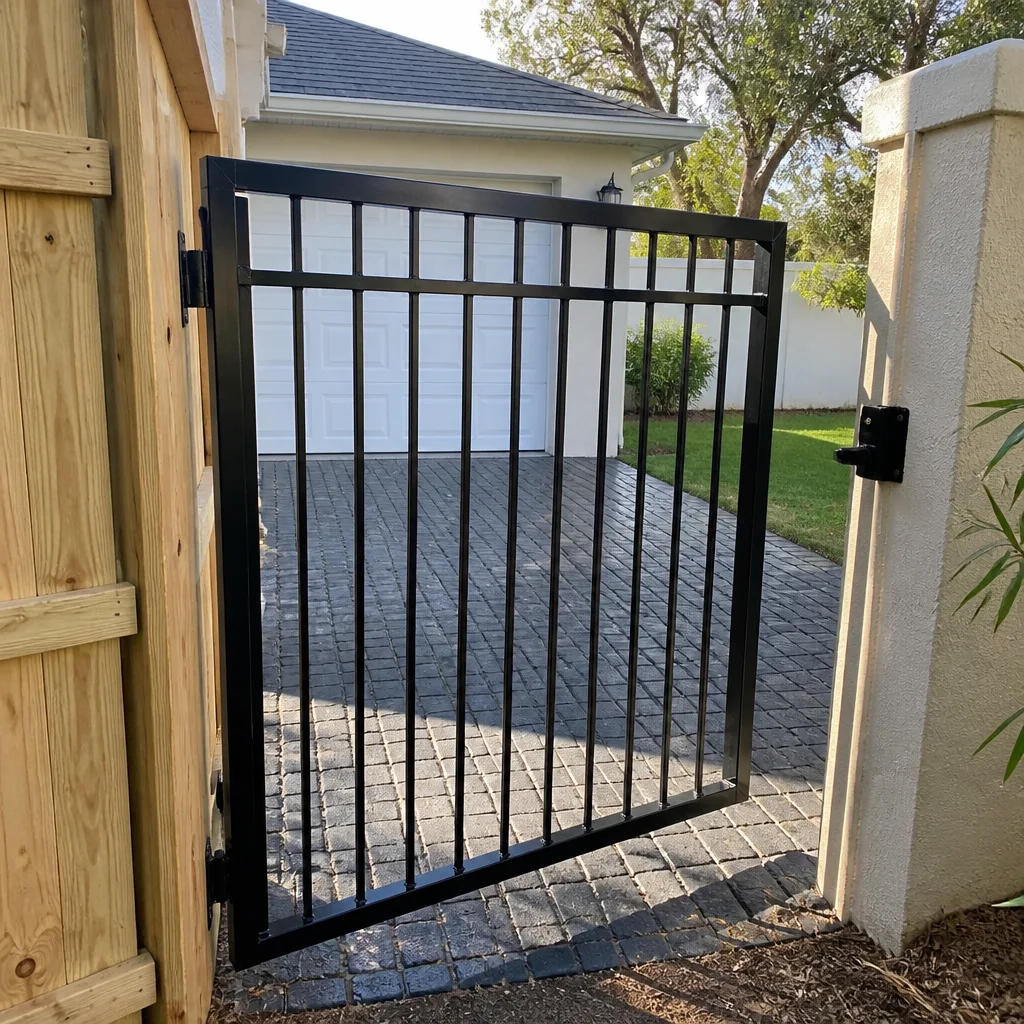
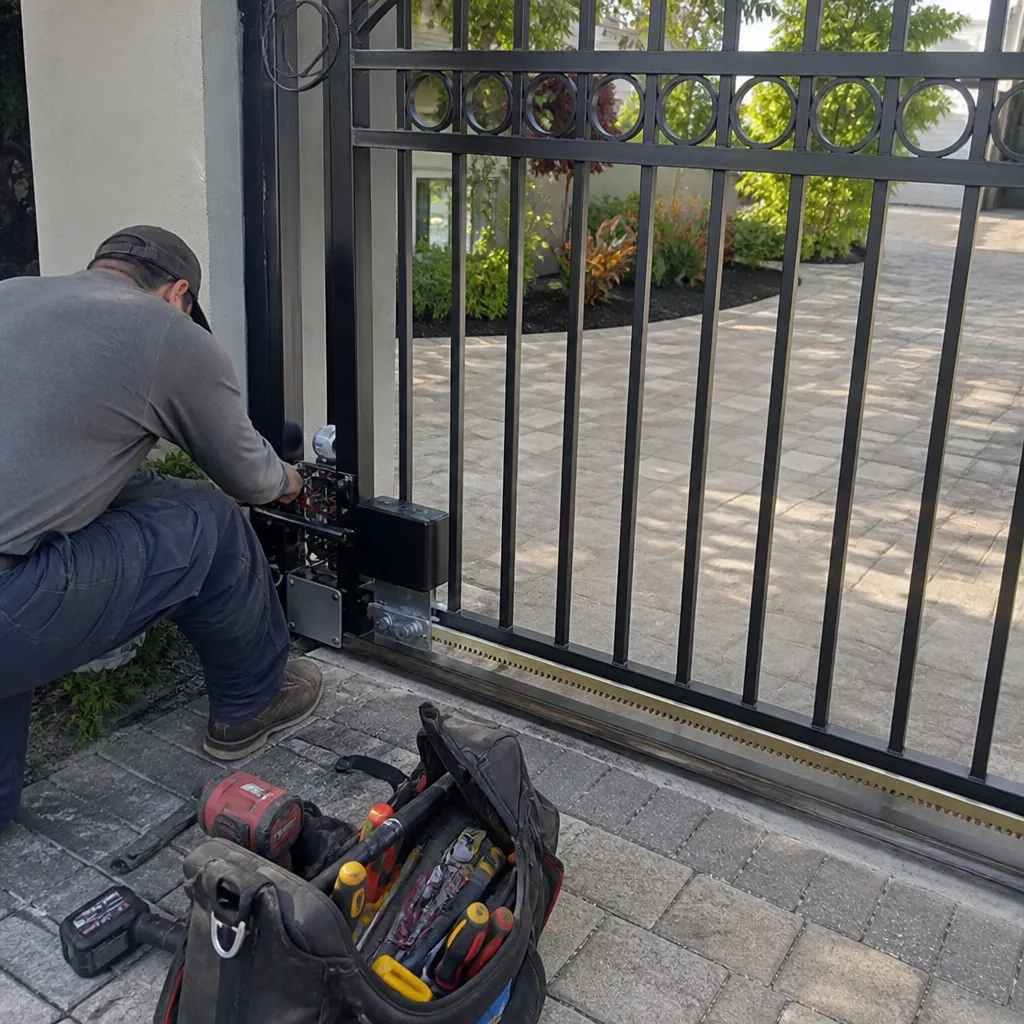
See the difference
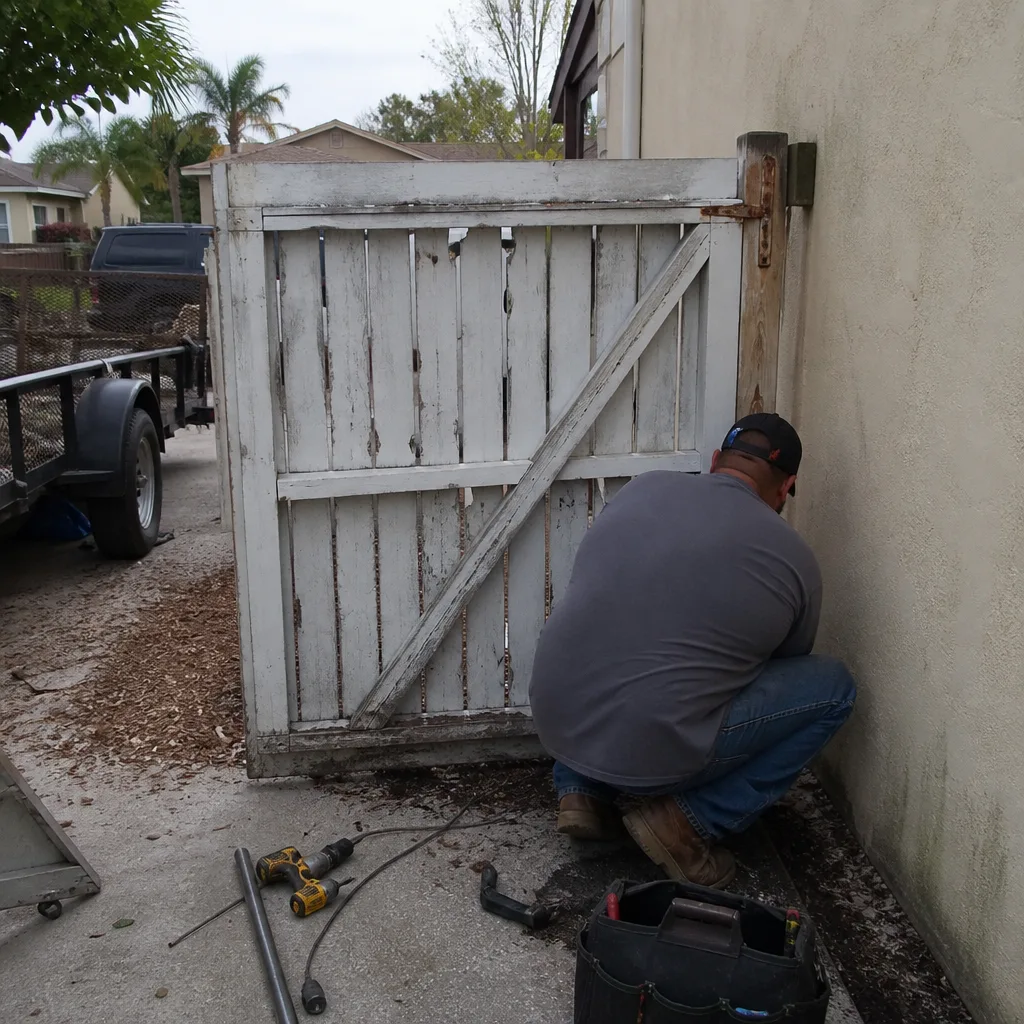 Before
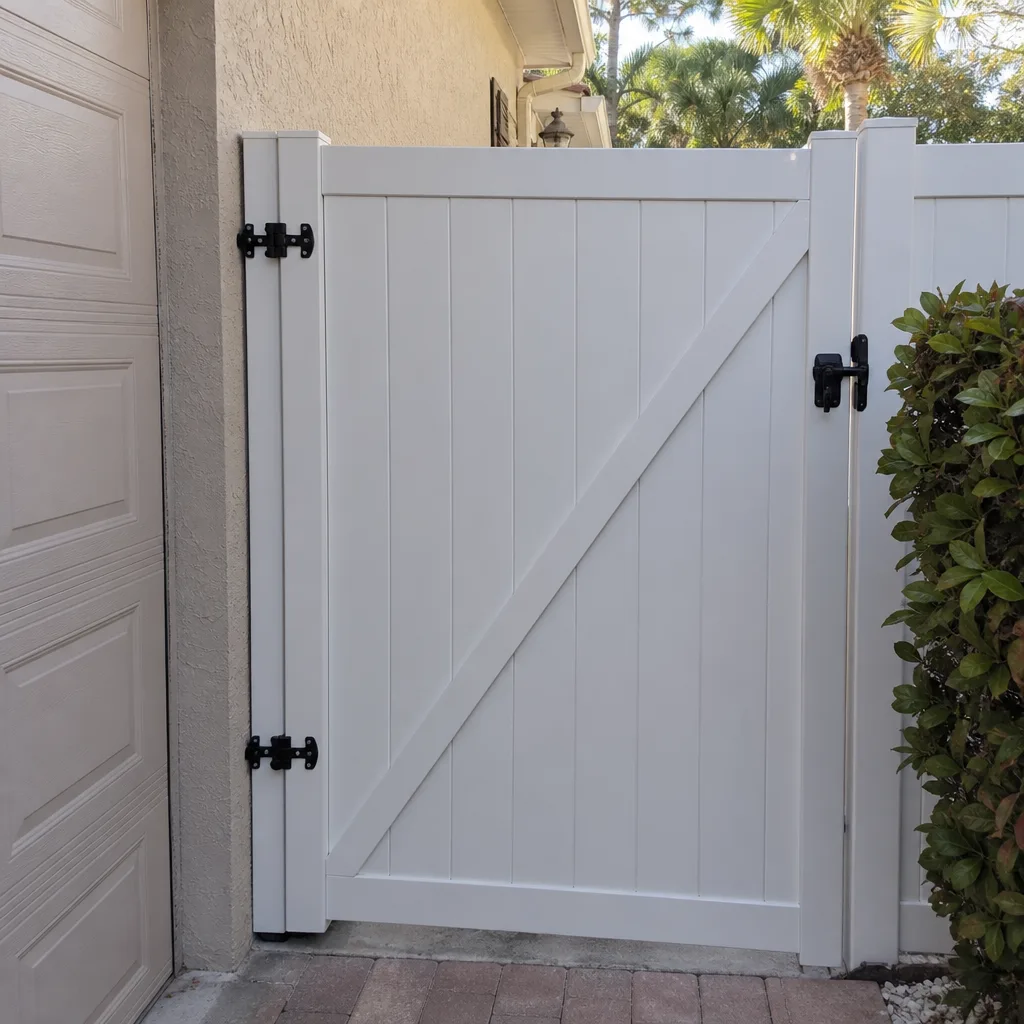 After
After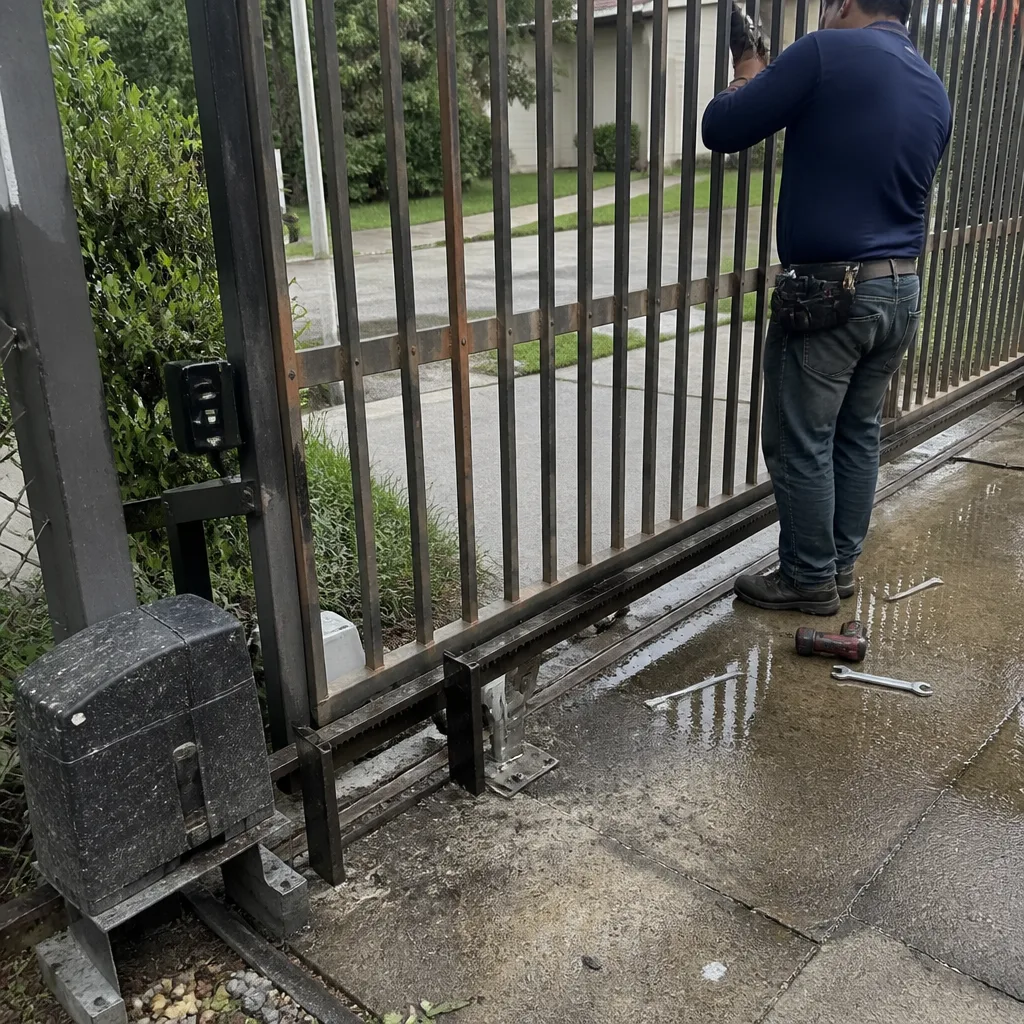 Before
 After
After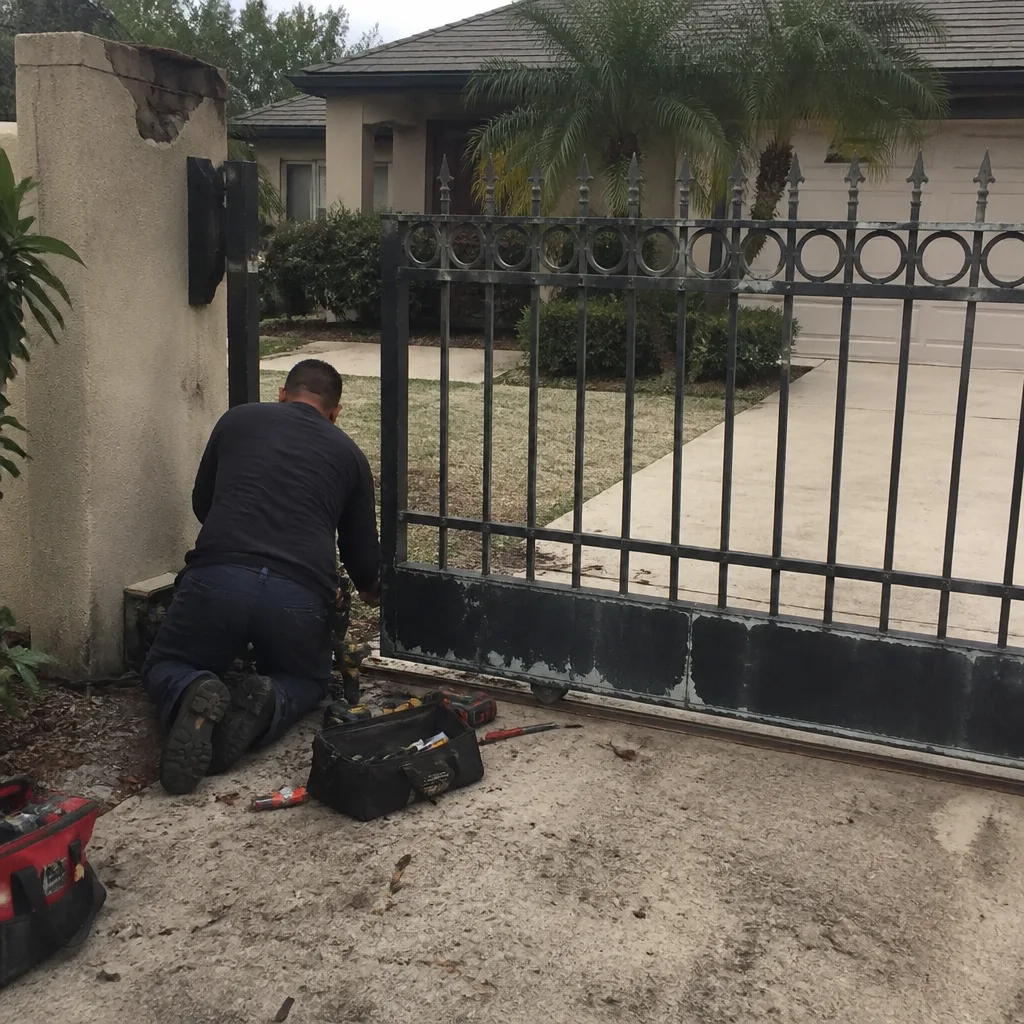 Before
 After
After