
Last updated October 16, 2026
 Wrought iron
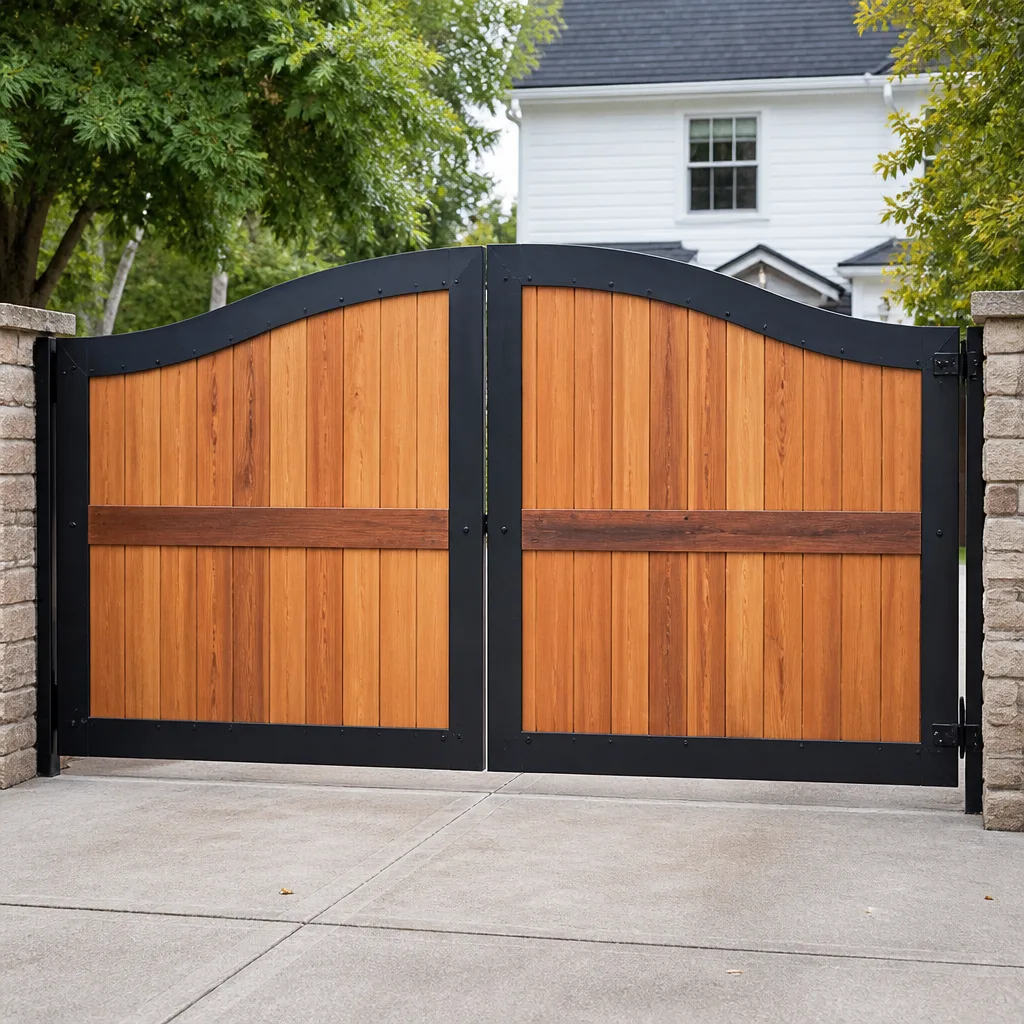 Wood & steel frame
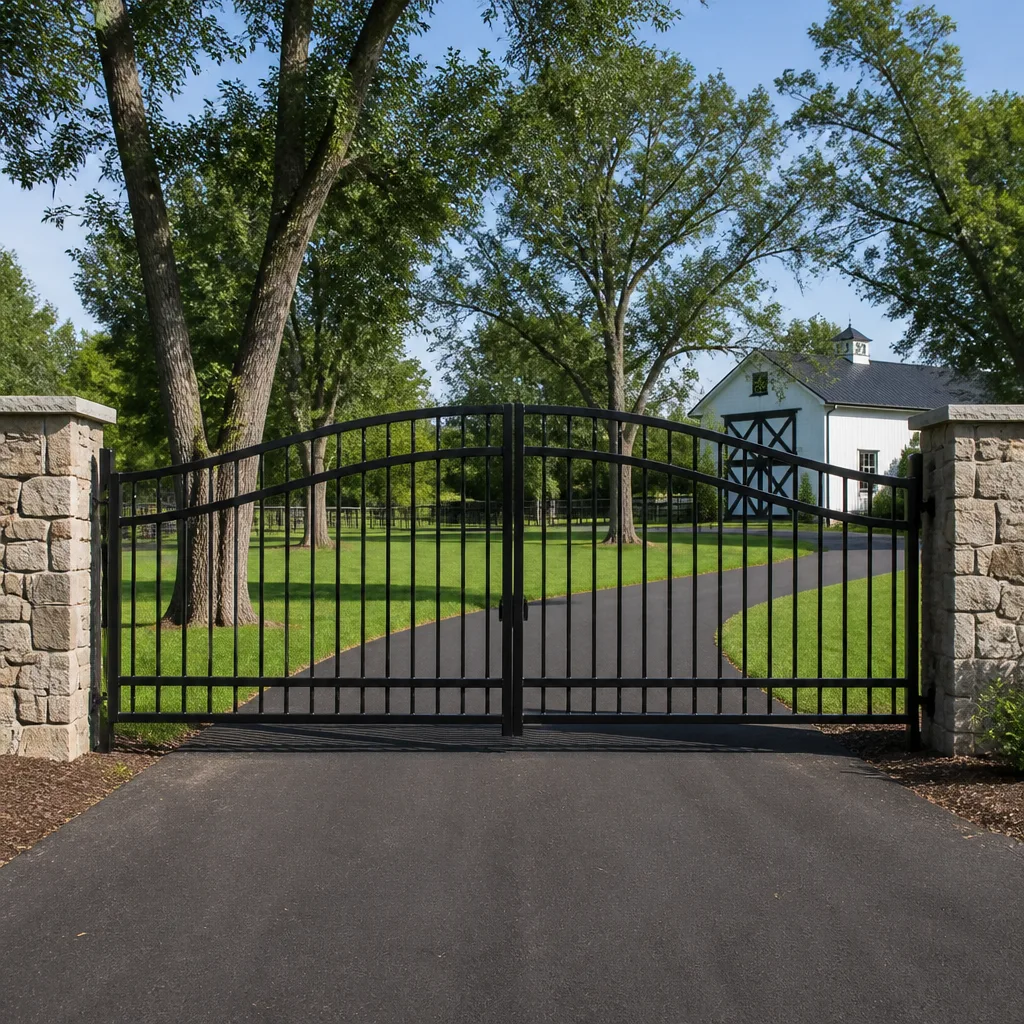 Farm & ranch
 Sliding driveway gates
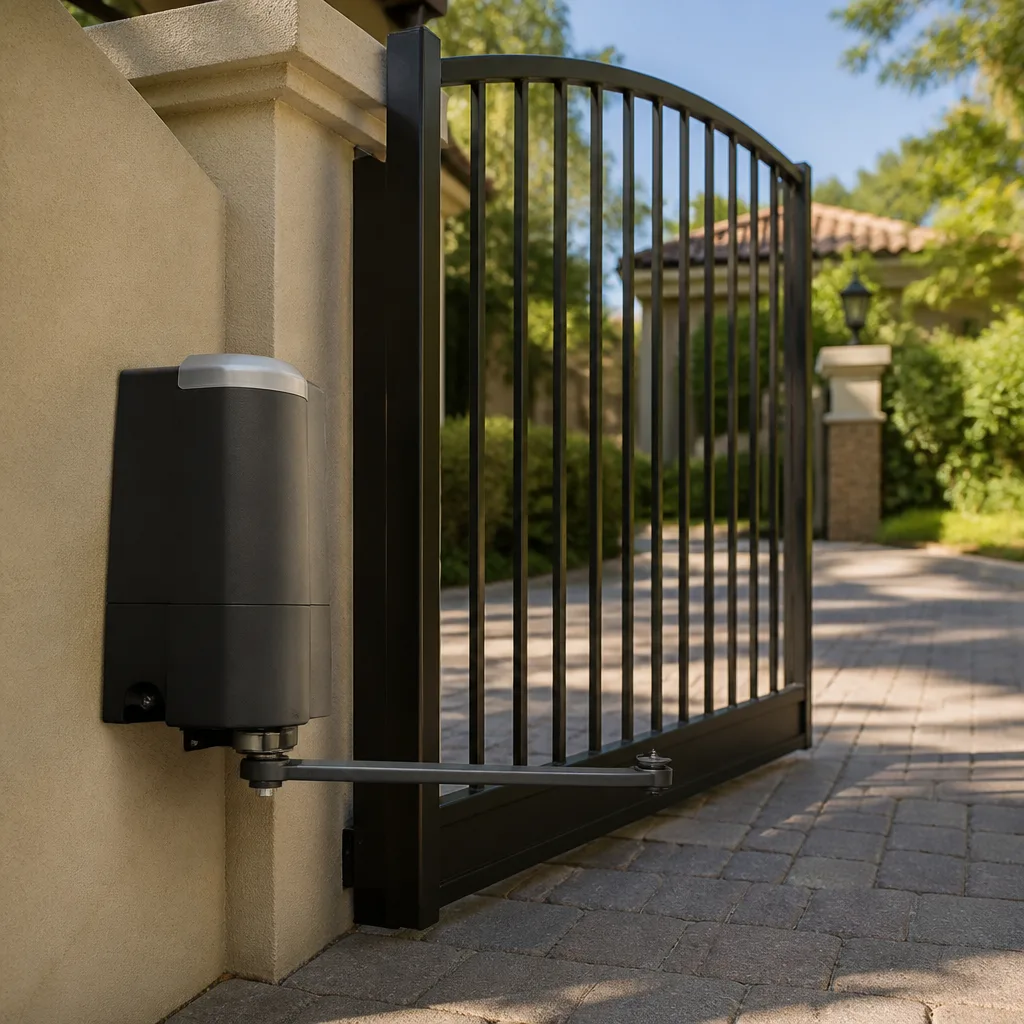 LiftMaster operators
Free on-site gate assessment - hinges, posts, and your LiftMaster or Nice gate operator checked before anything is quoted
The assessment is free and the quote is the invoice.
Get your free estimateGate Repair Permits, Codes & Inspections in FL: What You Need to Know
A homeowner in Hillsborough County learned this the hard way: a buyer’s home inspection flagged an unpermitted gate installation, and the seller had to pay to have the entire system torn out and reinstalled to county code before closing. The gate worked fine. The motor ran quietly. None of it mattered. No permit, no closing. This happens more often than most Tampa homeowners realize, and it usually traces back to a contractor who said a permit “wasn’t necessary.” This guide explains exactly when Florida code requires a permit for gate work, what Hillsborough County looks for during inspection, and how to protect yourself before you start a repair or replacement. For more guides & resources on gate maintenance and local regulations, explore our blog.
Quick Answer
In Florida, a like-for-like gate repair (replacing a hinge, spring, wheel, or circuit board with an identical part) typically does not require a permit. However, installing a new gate system, replacing a motor with a different model, adding access control equipment, or running new electrical to a gate generally does require a permit, most often an electrical permit through the local building department. In Tampa and Hillsborough County, unpermitted gate work can surface during a home sale, void an insurance claim, and leave the homeowner liable for bringing the work to code. If you’re unsure whether your gate needs professional attention, review our Gate Repair Warning Signs: A Tampa Homeowner’s Reference Guide before scheduling any work.
Styles & brands we work with
Table of Contents
- When Florida Law Requires a Permit for Gate Work
- Hillsborough County Specific Thresholds: Repair vs. Modification
- Electrical Permit vs. Building Permit: What Your Gate Actually Triggers
- HOA Overlay: When Deed Restrictions Beat County Code
- Unpermitted Work and Homeowner’s Insurance: The Claims Problem
- How to Verify Whether Previous Gate Work Was Permitted
- What a Florida Gate Inspection Actually Covers
- Common Mistakes to Avoid
- When to Call a Professional
- Frequently Asked Questions
When Florida Law Requires a Permit for Gate Work
Florida’s permit requirements come from the Florida Building Code (FBC), which each county and municipality adopts and enforces. The FBC does not treat gates as a single category. Instead, gate work falls under several different code sections depending on what’s being done: the electrical code for motors and wiring, the building code for structural posts and footings, and sometimes the fire code for access requirements on gated communities or commercial properties.
The governing principle is straightforward: a permit is required when work alters the structure, the electrical system, or the access control system in a way that changes how the gate functions. Replacing a worn part with an identical part does not change function. Swapping a 12-volt motor for a 24-volt motor, adding a loop detector where none existed, or installing a new gate leaf on a new post does.
Here’s the threshold that matters for most homeowners:
- No permit needed: replacing hinges, rollers, wheels, chains, belts, remote controls, photo eyes (direct swap), circuit boards (direct replacement), or lubricating and adjusting existing hardware.
- Permit likely required: installing a new gate where none existed, replacing a gate leaf with a larger or heavier one, changing the gate’s swing direction, pouring new footings or posts, running new conduit or wire, installing a new operator or replacing an operator with a different brand or voltage, adding a keypad, intercom, or vehicle loop detector for the first time.
The line between “repair” and “modification” is not always obvious, and it’s where Tampa homeowners get into trouble. A technician who says “this is just a repair” may be right, or may be avoiding the time and cost of pulling a permit. Either way, the homeowner is the one who carries the liability if the classification is wrong.
Hillsborough County Specific Thresholds: Repair vs. Modification
Hillsborough County administers building permits for unincorporated areas, while the City of Tampa runs its own construction services division. Both follow the Florida Building Code but apply it with local administrative rules. The practical differences show up in how each jurisdiction classifies gate operator replacements and access control additions.
In Hillsborough County, the key test is whether the work touches the electrical system. A gate motor replacement that uses the existing wiring, existing conduit, and the same voltage class is generally treated as a maintenance repair and does not require a permit. But if the new motor draws more amperage, operates on a different voltage, or requires new wire from the panel to the gate, the county classifies it as an electrical modification, and an electrical permit is required. That means a licensed electrical contractor or a gate contractor working under a licensed electrician pulls the permit, schedules the inspection, and closes it out with the county.
Gate installations on new posts almost always require a building permit in Tampa. The county wants to see the footing depth, the post embedment, and the gate’s attachment method before it’s covered in concrete and stone. If the gate is part of a fence over a certain height (generally 7 feet in residential zones), fence permit rules kick in as well. We’ve seen Tampa homeowners confused by this: they hire a fence company to build the enclosure and a gate company to hang the gate, and neither pulls a permit because each thinks the other one did.
The specific thresholds that matter in Hillsborough County:
- Existing motor, same voltage, same wiring: no permit. This covers most direct swap repairs on LiftMaster, BFT, Linear, and Viking operators already installed.
- New motor or different voltage: electrical permit required. This includes upgrading from a 12V to a 24V system or adding a second operator for a bi-parting gate.
- New gate structure or new posts: building permit required. Footing inspections may be called before concrete pour.
- New access control (keypad, intercom, card reader, telephone entry) wired to the operator: electrical permit required, and the same permit typically covers both the access device and the operator wiring.
- Solar-powered operator with no line-voltage connection: generally no electrical permit, but structural rules still apply if posts or gate leaf are new.
For homeowners in Tampa proper, the City of Tampa building department has similar thresholds. The practical takeaway is the same: direct replacement is usually exempt, anything that changes the electrical load or the physical structure is not.
Electrical Permit vs. Building Permit: What Your Gate Actually Triggers
Most gate work that needs a permit in Florida needs an electrical permit, not a building permit. That distinction matters because electrical permits follow a different inspection path: an electrical rough-in inspection, sometimes a separate underground inspection for conduit, and a final inspection once the operator is wired and functioning.
Here’s how the two permit types break down for gate projects:
Electrical permit covers:
- Running a new branch circuit from the panel to the gate operator
- Installing a new operator or control board wired to line voltage
- Adding a loop detector, photo eye system, or safety edge wired into the operator
- Installing access control equipment (keypad, intercom, card reader) that connects to the operator
- Adding a transformer or power supply at the gate location
Building permit covers:
- New gate posts and footings, especially for heavy steel or wrought iron gates
- Structural gate modifications that change load, wind resistance, or connection points
- Gate installations combined with a new fence line over the height threshold
- Retaining walls or pilasters added at the gate location
Some projects need both. A ground-up gate installation in South Tampa with new power run from the house, new posts, a new operator, and a keypad will typically require a building permit for the structure and an electrical permit for the wiring and operator. An experienced gate contractor in Tampa will know which combination applies and will not ask the homeowner to sort it out.
One practical note: some Tampa electricians will run the circuit and pull the electrical permit, then hand off to the gate contractor for the operator install. That’s a legitimate division of labor, but it needs to be coordinated so the rough-in inspection happens before the conduit is buried and the final inspection happens after the operator is mounted and tested.
HOA Overlay: When Deed Restrictions Beat County Code
Hillsborough County code sets the minimum floor. A homeowner’s association can and often does set a higher bar. In neighborhoods like Westchase, New Tampa subdivisions, Davis Islands, and South Tampa planned communities, the HOA’s architectural review committee typically has to approve any gate that’s visible from the street before work starts.
The legal relationship is straightforward: county code governs safety and structural integrity, while the HOA governs appearance, materials, and sometimes maximum gate height or operator type. They are two separate approvals, and getting one does not satisfy the other. A gate that passes county inspection because it’s structurally sound can still violate the HOA’s design standards, and the HOA has the legal standing to require changes at the homeowner’s expense.
Which one governs when they conflict? The stricter requirement wins. If the county allows a 6-foot gate and the HOA caps gates at 5 feet, the 5-foot limit controls. If the HOA requires a particular finish that the county doesn’t care about, the HOA requirement controls. The county will not enforce HOA rules, and the HOA will not enforce county code. The homeowner sits between them.
Before any gate work in a Tampa HOA community, we recommend three reads: the HOA’s declaration of covenants, the current architectural guidelines, and any gate-specific addendum adopted after the original plat. Some HOAs written in the 1990s have updated gate rules that were never widely distributed. A quick call to the HOA management company with the specific scope of work in hand saves more time than it costs.
Unpermitted Work and Homeowner’s Insurance: The Claims Problem
This is the section most Tampa homeowners don’t want to read, and the one that costs the most when ignored. If a gate causes an injury, a property damage claim, or a fire, the insurance adjuster’s first questions are: Was the work permitted? Was it installed by a licensed contractor? Was it inspected and closed out with the local building department?
Unpermitted work gives the insurer a coverage defense. A homeowner’s policy typically excludes damage caused by unpermitted work or installation that failed to meet code, and if a claimant argues the gate was defective or improperly wired, the absence of a permit and inspection record makes that argument much easier. In a liability claim where a child is hurt by a gate, an attorney will ask the same questions, and “we didn’t pull a permit because the contractor said we didn’t need one” is not a defense that plays well in front of a judge or jury.
There’s also the fire risk. Gate operators that draw line voltage sit in metal enclosures, often in full sun, in Florida humidity. A badly run wire or an undersized circuit that was never inspected is a real fire hazard. A permit and a final inspection are the homeowner’s evidence that the installation met code on the day it was done. No permit, no evidence.
If you already have unpermitted gate work on your Tampa property, the fix is not to ignore it. Most Florida building departments have a process for pulling a permit after the fact, scheduling an inspection, and bringing the work into compliance. It’s called an “after-the-fact permit” or “existing work permit,” and it’s far less expensive than a tear-out during a home sale or a denied insurance claim.
How to Verify Whether Previous Gate Work Was Permitted
Before you start any new repair or modification on an existing gate, it’s worth knowing whether the work that’s already there was done legally. This is a 20-minute check that can save a six-figure problem later.
Here’s the process, in order:
- Search the Hillsborough County permit database. Hillsborough County maintains an online permit search tool. Enter the property address and look for permits tied to “gate,” “fence,” or electrical work during the year the gate was installed. If the gate came with a new house, the builder’s original permit package may cover it.
- Check City of Tampa records separately if you live in city limits. The city runs its own permit system and does not share data with the county. A gate installed by a previous owner may show up in one database and not the other.
- Look for a permit placard or inspection sticker. Some Tampa gate installers affix a small permit sticker to the operator cabinet or a post. Not standard practice, but common enough to check.
- Ask for the original scope of work. If the previous owner left records, look for an invoice or contract that describes what was installed. Match it against what you see: same operator brand and model, same posts, no new conduit visible.
- If uncertain, schedule a code-compliance inspection. A licensed Tampa gate contractor or a code compliance specialist can look at the work and give you a read on whether it appears permitted and code-compliant. This is not a formal county inspection, but it’s a valuable pre-emptive step.
This matters most in a specific situation we see often: a homeowner buys a house with an old gate, the motor fails three years later, and the replacement job reveals that the original install was never permitted. Now the homeowner is deciding between a quick unpermitted swap, which compounds the problem, or pulling a permit for the new work and using that inspection to address any obvious non-compliant conditions from the original install.
What a Florida Gate Inspection Actually Covers
When a Hillsborough County or City of Tampa inspector arrives for a gate permit inspection, they are not looking at whether the gate looks nice. They are checking specific things against the Florida Building Code and the National Electrical Code (NEC). Knowing what they check helps you understand why the permit process exists.
On an electrical inspection for a gate operator, the inspector typically verifies:
- The circuit feeding the gate operator is properly sized, with a dedicated breaker where required
- Conduit is installed per NEC, with proper depth for underground runs (typically 18 inches for PVC conduit under a yard, deeper under driveways)
- All connections are made in listed junction boxes with proper covers
- The operator cabinet is grounded and bonded
- GFCI protection exists where required for outdoor receptacles at the gate location
- Low-voltage wiring for loop detectors, photo eyes, and safety edges is separated from line voltage where required
On a building inspection for a gate structure, the inspector typically checks:
- Footing depth and diameter for gate posts, including compliance with local frost line (not a major issue in Tampa’s climate, but the FBC still sets minimum embedment for wind load)
- Gate leaf attachment to posts, including hinge welds or bolt patterns
- Maximum allowable gate weight and wind load for the operator being installed
- Clearance between the gate and the ground, adjacent structures, and any fence line
- Safety device placement: photo eyes at the correct height, safety edges on the closing edge, and the required force-to-reverse setting on the operator
One thing that surprises Tampa homeowners: the inspector is not responsible for verifying that the gate actually opens and closes smoothly. The inspection confirms code compliance, not functionality. A gate can pass inspection and still need adjustment later. That’s separate from the code question, and it’s the reason a good contractor tests the full cycle after inspection, even if the inspector has already signed off.
Common Mistakes to Avoid
- Believing “it’s just a repair” without asking what’s actually being done. A direct motor swap is usually exempt; a different-brand motor with a different voltage is not. Ask the technician to put the classification in writing before work starts.
- Assuming the fence contractor pulled the permit for the gate. Fence and gate are separate scopes. If you’re using two companies, assign the permit responsibility to one of them in writing, and confirm which one.
- Skipping the HOA review because the county doesn’t require one. In communities like Westchase and parts of New Tampa, the HOA can require removal or modification of a gate that was never submitted for architectural review, even if the county signed off on it.
- Running power to the gate yourself. Trenching a line in Tampa’s sandy soil feels like a straightforward weekend job. It’s not. Undersized wire, shallow conduit, and ungrounded connections are the most common reasons a gate operator burns out or trips a breaker within the first year, and none of them would pass an electrical inspection.
- Ignoring a safety device that “wasn’t in the original install.” The Florida Building Code requires entrapment protection on automated gates (photo eyes or contact edges at minimum). If your Tampa gate doesn’t have working safety devices, adding them during any repair is required, not optional.
- Buying a property with an automatic gate and never checking the permit history. By the time it surfaces during YOUR sale, the cost to correct is often two to three times what the original permit would have cost. Search the county database before you close.
When to Call a Professional
If your gate work involves new wiring, a new operator, new posts, or access control, the permit process is not optional and the inspection will not be a formality. A licensed gate contractor in Tampa should know exactly which permit applies in Hillsborough County vs. City of Tampa, who pulls it, when the inspections are scheduled, and how to close the permit out. If a contractor waves off the permit question or says “we never pull permits for this,” get a second opinion before you let them touch the gate. Our How to Hire a Gate Repair Contractor in Tampa: A Step-by-Step Guide can help you vet candidates properly.
Carver Gate Repair Tampa offers free estimates in Tampa, and we walk every job through the permit question before quoting: repair vs. modification, county vs. city vs. HOA, and what gets inspected when. Call (850) 533-8293 for an honest read on whether your gate project needs a permit, and what it costs if it does.
Frequently Asked Questions
A like-for-like repair in Tampa, such as replacing a hinge, wheel, circuit board, or remote receiver with an identical part, does not require a permit. If the repair changes the electrical load, the operator brand or voltage, or the physical structure of the gate, a permit is generally required. Carver Gate Repair Tampa can tell you which category your repair falls into before any work starts. Call (850) 533-8293 for a free assessment.
Electrical permits for gate operators in Hillsborough County typically run in the $75 to $250 range depending on the scope, and building permits for gate structures are usually in the $100 to $400 range. Impact fees and reinspection fees can add to the total. Carver Gate Repair Tampa includes the permit cost as a line item in the written price we give you before work starts, so the number doesn’t move at the door.
During the buyer’s inspection period, the county records could flag the unpermitted gate, and the buyer may require you to bring the work to code or drop the price. Hillsborough County allows after-the-fact permits for existing work, which lets you correct the situation before listing. The earlier you check the permit status, the cheaper the fix.
A solar-powered gate operator with no line-voltage wiring generally does not require an electrical permit in Hillsborough County. If the solar system connects to the home’s electrical system at all, or if the gate structure itself is new, permits still apply. The structural rules don’t change just because the power source is solar.
Either party can pull the permit, but the person named on the permit is the one accountable for the inspection. Most experienced Tampa gate contractors pull the permit under their own license and schedule the inspections as part of the job. If a contractor asks you to pull the permit “to save money,” that’s usually a red flag. Carver Gate Repair Tampa pulls the appropriate permit and closes it out before we call the job done.
We work on nine gate motor brands, including BFT, Linear, Viking, and Ghost Controls, plus LiftMaster, FAAC, DoorKing, Elite, and Mighty Mule. Our technicians match the right parts and the right permit classification to the system already installed at your Tampa property.
The Bottom Line
Florida code draws a clear line between repair and modification: same part, same voltage, same wiring, no permit. Anything else, and a permit is generally required, whether it’s an electrical permit for a new motor or a building permit for new posts. In Tampa and Hillsborough County, the cost of skipping that permit shows up later, at the home sale, in an insurance claim, or in a tear-out ordered by the HOA. Search the permit history before you start, get the classification in writing, and work with a contractor who treats the permit as part of the job, not an optional add-on. The cheapest Gate Repair services in Tampa is the one done to code the first time.
For more on what Gate Repair in Tampa costs and what it covers, see our service page. If you’re considering a Gate Installation in Tampa, the permit picture changes, and we walk you through it before you sign. And when the problem is the motor, not the gate, read our page on Gate Motor Repair in Tampa to understand your options. Our Carver Gate Repair Tampa home page has the full picture on how we work.
Written by Lonnie Burke, Owner at Carver Gate Repair Tampa, serving Tampa since 2008.
See the difference
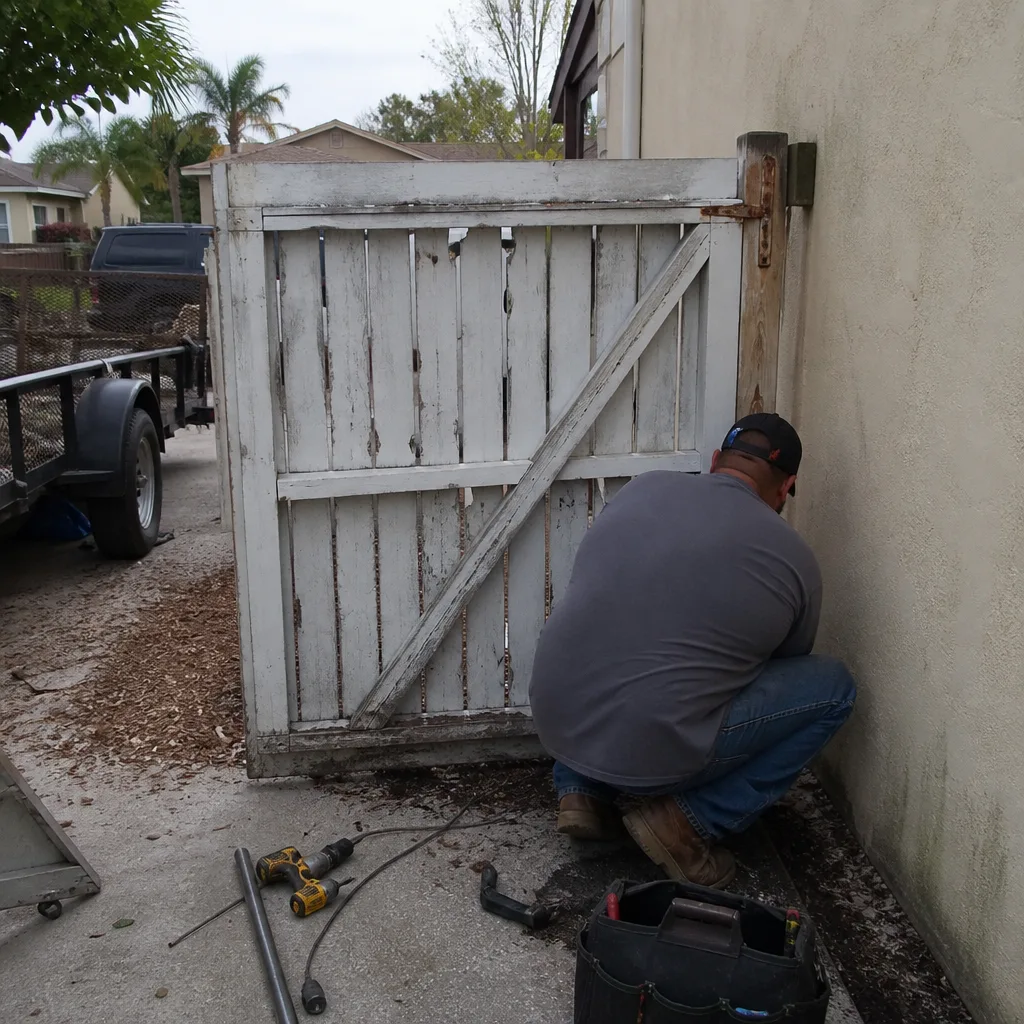 Before
 After
After Before
 After
After Before
 After
After